


Golf equipment manufacturers are starting to tell their own stories. And while I suppose it’s about time, it kinda feels like these sumbitches are trying to put me out of a job.
Over the past several years, Titleist has led the charge with a series of polished behind-the-scenes documentaries—We Go Farther (the Titleist Speed Project), Finding Feel (a three-part deep dive into engineering the subjective experience of how an iron feels at impact), Making the Modern Wedge (the Bob Vokey and Spin Milled story), and Searching for Spin (the development of RCT golf ball technology). Each one pulls back the curtain on R&D and humanizes the process in a way that press releases and spec sheets simply can’t.
Now TaylorMade has entered the chat with Finding Fast, a 17-minute documentary that traces the company’s obsession with driver speed from the original metalwood in 1979 through the launch of the Qi4D. Notably absent from the cast: me. For the record, Titleist interviewed yours truly for We Go Farther, so I know what it’s like to be in these things. TaylorMade, my phone works.
Call me.
If the format feels familiar—slick production, behind-the-scenes engineering footage, candid interviews with R&D staff, tour pros reacting to prototype first hits—there’s a reason for that. When somebody establishes a template that works, it probably shouldn’t surprise anyone when others follow it. The naming convention alone (Finding Fast, meet Finding Feel) suggests TaylorMade has been paying attention to what Titleist has been doing in this space. And, yeah, I suppose when there’s already a good blueprint, you use it.
It’s a smart approach, and I suppose there’s enough uniquely TaylorMade flavor to support the format.
The Stealth 2 of It All
What separates Finding Fast from the established template—and frankly, what makes it worth your 17 minutes—is that TaylorMade doesn’t completely avoid the ugly bits.
The film traces the company’s driver lineage – the M1 that “saved the company” in 2015, the SIM generation’s push into aerodynamics, SIM 2’s first carbon sole, and the Stealth’s groundbreaking carbon face technology. And then comes the part most brands would leave on the cutting room floor: Stealth 2.
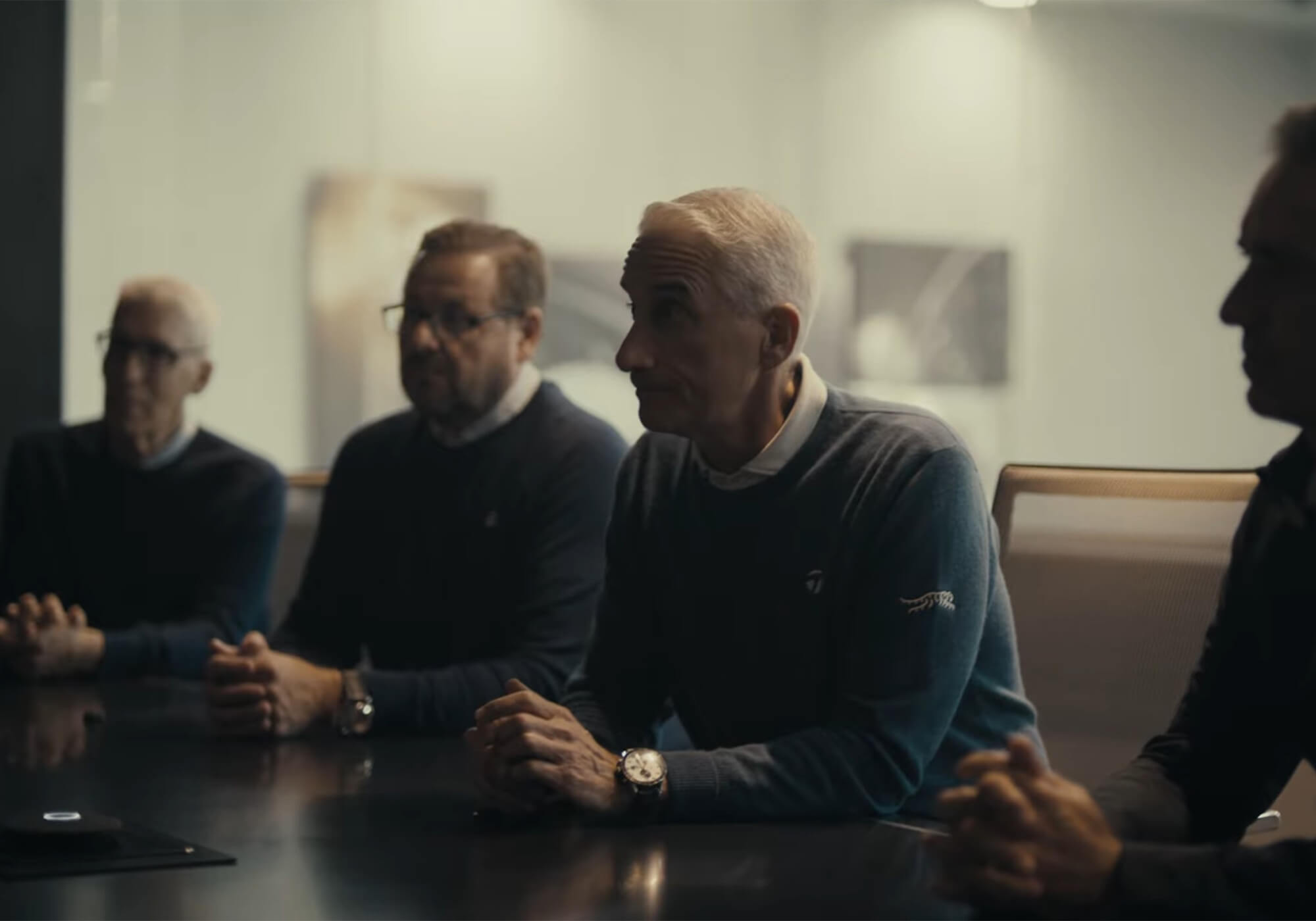
“That was painful. It was painful for me. It was painful for the entire organization,” says TaylorMade CEO and President David Abeles, who serves as the film’s narrative throughline. “It was the first time we had to deal with true adversity around a product quality issue in our company in a couple of decades. And the reason we got there was because we were pushing so hard to get better. We pushed too far.”
That’s a brand CEO saying the quiet part out loud. And rather than framing it as an isolated hiccup, Abeles positions it as a consequence of ambition—something that forced further innovation rather than retreat. It’s a more honest narrative than you typically get from a company selling you next year’s model.
The film also doesn’t shy away from the disappointments of Qi35. Despite strong market performance, TaylorMade admits that some of their top tour athletes—the Schefflers and McIlroys of the world—didn’t put the Qi35 driver in play because the company couldn’t demonstrate it was better than what they were already gaming. “There’s definitely some added pressure,” the film acknowledges.
The Four Dimensions
From there, Finding Fast walks through the Qi4D’s development across what TaylorMade calls “four dimensions of speed” – face technology, aerodynamics, shaft dynamics (via the React shaft system), and fitting.
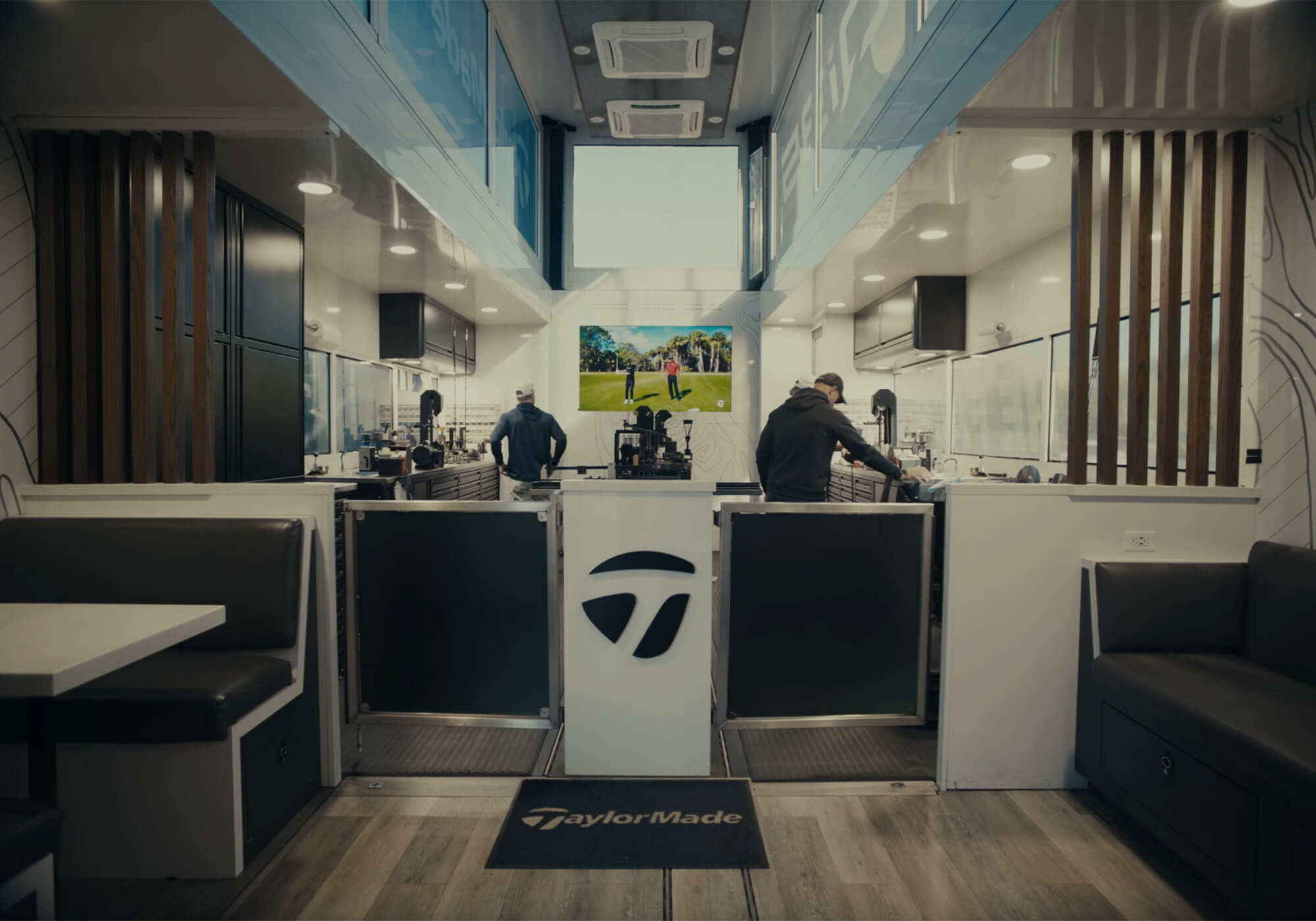
The engineering footage is genuinely compelling. You see faces being pushed to failure in durability testing—engineers examining crack patterns and stress points, actively looking for where things break so they can push the limits further. You see the aero team discussing 300 to 400 CFD simulation runs that ultimately narrowed to six or seven viable shapes, each validated in a wind tunnel test that takes five seconds but represents a year of work. You see high-speed motion capture used to map individual swing signatures for shaft optimization.
TaylorMade’s engineering and tour staff are featured throughout. Product and engineering team members walk through the CAD precision (tenths of a millimeter, tenths of a degree) and explain how five years of R&D culminated in the Qi4D platform. Tour reps detail the fitting process and the challenge of working with the world’s most demanding focus group.
The Tour Test
The back half of the film is all tour validation. Scottie Scheffler, Rory McIlroy, Nelly Korda, Tommy Fleetwood, and Collin Morikawa all make appearances, testing Qi4D prototypes months before launch.
A few standout moments: Rory hitting 190 ball speed and casually mentioning he needs to stay ahead of the Luke Clantons of the world. A tour rep asking Rory if he even knows where his Qi35 gamer driver is. (“No.”) Scheffler’s swing being replicated on a robot to dial in his exact setup. And Nelly Korda picking up 2.5 to 3 mph of ball speed and admitting the Qi4D is “performing better right now” than the Qi10 Max she didn’t want to let go of.
The fitting sequences also reinforce the Qi4D’s “most fittable” pitch—you see weight swaps, shaft profile changes, and loft adjustments happening in real time, with players reacting shot by shot.
The Bigger Picture
In a world of YouTube golf, the trend of manufacturers producing documentary content is worth paying attention to—and it’s clearly accelerating. Titleist built the playbook. TaylorMade is running a version of the same offense. And I’d wager they won’t be the last. When you see how effectively a well-produced behind-the-scenes film can humanize a brand and contextualize a product launch, the ROI case practically makes itself.
Yes, these films are marketing. Nobody’s making a documentary about the time their new driver tested worse than last year’s model (well, unless it’s the setup for a redemption), but the access is real. The engineering detail is real. And when a company’s CEO is willing to frame failures as catalysts rather than pretending they didn’t happen, the storytelling becomes a bit more than a 17-minute commercial.
Titleist set the bar. TaylorMade cleared it—or at least got close enough to make the conversation interesting. And frankly, the more of this we get from any manufacturer willing to pull back the curtain, the better it is for golfers who want to understand what actually goes into the equipment they’re buying.
Seriously though, TaylorMade. Call me.
Finding Fast is available now on TaylorMade’s YouTube channel.
The post TaylorMade’s Finding Fast Documentary Tells the Qi4D Story appeared first on MyGolfSpy.