

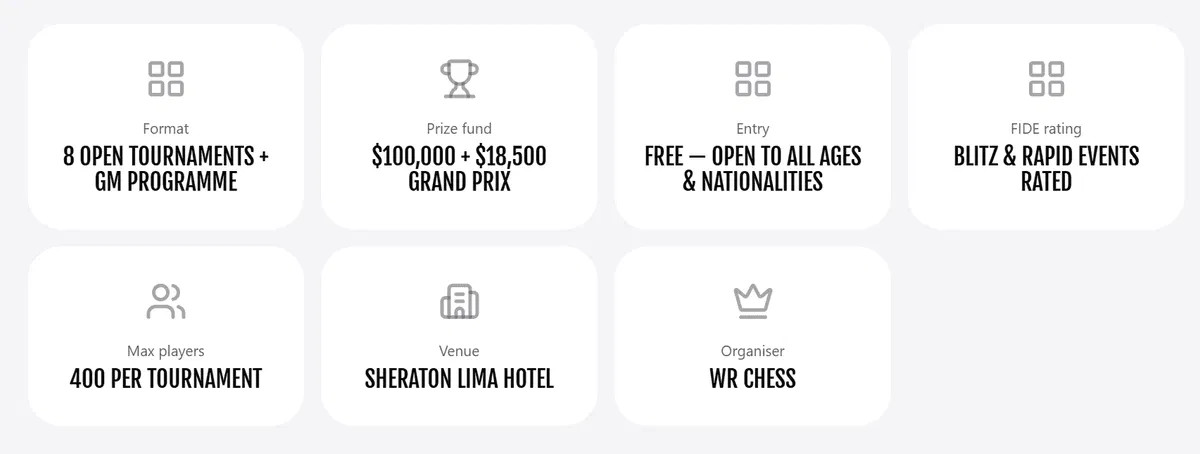
A total prize fund of US$100,000
There are chess festivals, and then there is a chess marathon. WR Chess – the company founded by Wadim Rosenstein, the same group behind the Women’s Chess Tour and Magnus Carlsen’s recent appearance at the ASEAN E-Sports Chess Cup in Bangkok – has chosen Lima for an event built around a simple, slightly mad idea: play almost without pause for roughly 67 hours!
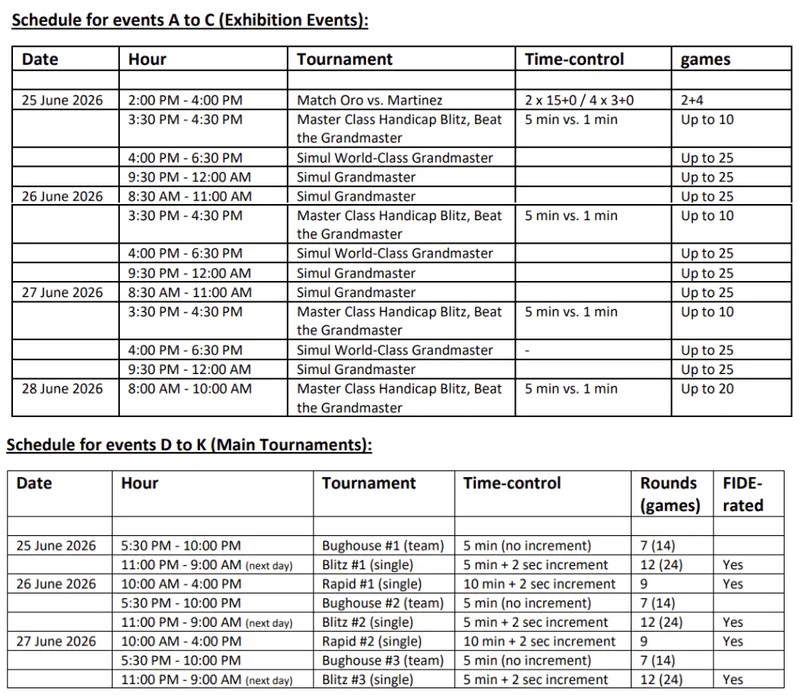
From Thursday, 25 June to Sunday, 28 June, the Sheraton Hotel in Lima will host eight separate ranked tournaments stacked back-to-back, day and night, alongside grandmaster simuls, a “Beat the GM” handicap challenge and a headline exhibition match. The blitz events literally run through the night – 11:00 p.m. to 9:00 a.m. – and the moment one tournament finishes, the next is already being set up. For four days, Lima will be a city that plays chess during the day and also during night!
Entry is free, it is open to players of all ages and nationalities, and there is more than US$100,000 on the table. Below is the full picture.
The headline act: Faustino Oro v. José Martínez
The marquee attraction kicks the festival off on the very first afternoon (25 June, 2-4 p.m): a six-game exhibition match between two of the most-watched names in online and over-the-board chess.
- Faustino Oro, the 12-year-old Argentine phenomenon the world knows as the “Messi of Chess.” Born in Buenos Aires on 14 October 2013, Oro has spent the last three years demolishing age records: youngest to 2300, the first 11-year-old in history to cross 2500, a viral online bullet win over Magnus Carlsen at the age of ten, and a run to the second round of the FIDE World Cup as a 12-year-old. On 9 May 2026 he completed his GM title at 12 years, 6 months and 26 days – the second-youngest GM in history, behind only Abhimanyu Mishra. He arrives in Lima as one of the hottest talents on the planet.
- José Martínez Alcántara, or “Jospem” to his hundreds of thousands of followers. Born in Lima in 1999 and now representing Mexico, the 27-year-old is one of the strongest speed-chess players in the Americas, a Titled Tuesday regular, a U-18 World Champion back in 2017, and a familiar face to anyone who follows online blitz. For Martínez, this is a genuine homecoming, returning to the city where he learned the game as a youngster.
It will be 2 rapid games (15+0) followed by 4 blitz games (3+0). The winner takes US$6,000, the runner-up gets US$4,000, with the purse split if they finish level. It is not FIDE-rated.
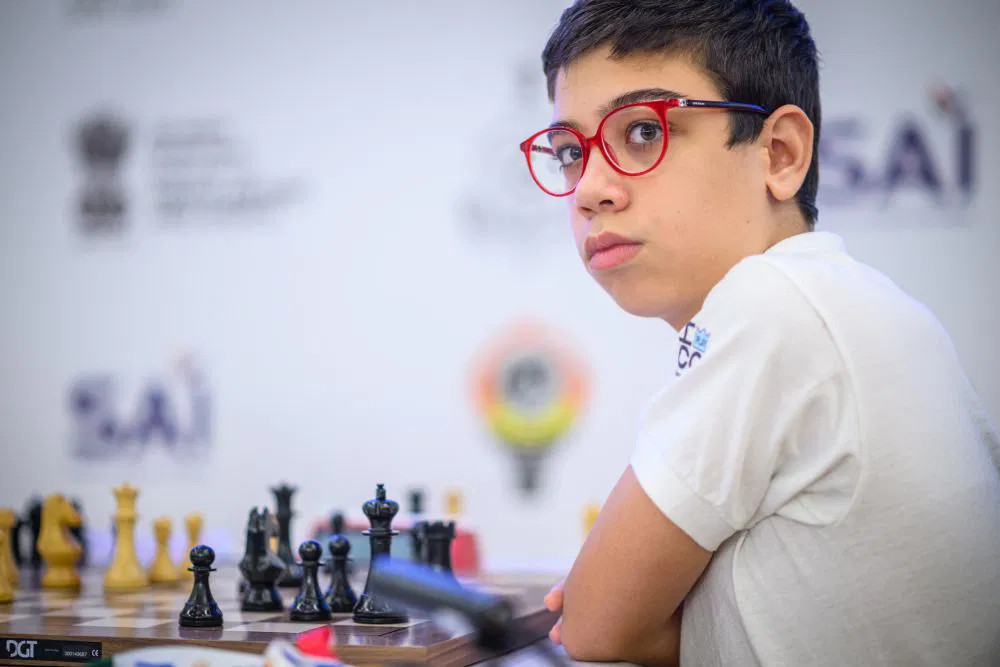
One of the biggest talents in the world of chess – Faustino Oro | Photo: Michal Walusza / FIDE
Master your middlegame with the complete strategy series – now available as a bundle at a reduced price. Take your chance to save and improve!

Jose Martínez made headlines in 2025 when he reached the quarterfinals of the FIDE World Cup | Photo: Lennart Ootes
Eight tournaments, three formats, one continuous grind
The competitive heart of the marathon is a set of 8 tournaments – 2 rapids, 3 blitz and 3 bughouse events. Players can enter as many as they like, and a single overall Grand Prix ties them all together.
- Blitz (3 events, FIDE-rated): 5 minutes + 2 seconds, played as 12 double-rounds – 24 games a night – running overnight from 11:00 p.m. to 9:00 a.m. This is the true marathon shift, and staying up all night to win this will require immense stamina.
- Rapid (2 events, FIDE-rated): 10 minutes + 2 seconds, nine rounds each, played in the friendlier morning-to-afternoon slot (10 a.m. to 4 p.m.)
- Bughouse (3 team events): the wild card of the festival. Two-player teams, 5 minutes with no increment, captured pieces passed to your partner to be dropped back on the board. WR Chess has added a delightful twist of its own – a “Promised Promotion” rule. When a pawn reaches the last rank, instead of a normal promotion a player may declare a piece (“Queen!”, “Rook!”, “Knight!”, “Bishop!”), which then lets their partner instantly remove a piece of that type from the opponent’s board. Communication between teammates is encouraged, in any language, and the noise levels in the bughouse hall should be something to behold.
A few practical notes for anyone thinking of playing: registration is free and done through the official website, blitz and rapid require a FIDE ID (bughouse does not), each tournament is capped at 400 players. The arbiter’s team is led by IA Gerhard Bertagnolli and numbers more than fifteen officials – you will surely need them when the boards are running all night.
Here is a players’ list for one of the events:
| 1 | GM | Martinez Alcantara, Jose Eduardo | MEX | 2663 | |
| 2 | GM | Cori, Jorge | PER | 2607 | |
| 3 | IM | Terry, Renato | PER | 2572 | |
| 4 | GM | Quesada Perez, Luis Ernesto | MEX | 2569 | |
| 5 | GM | Salinas Herrera, Pablo | CHI | 2529 | |
| 6 | GM | Vasquez Schroeder, Rodrigo | CHI | 2517 | |
| 7 | GM | Henriquez Villagra, Cristobal | CHI | 2506 | |
| 8 | GM | Strikovic, Aleksa | SRB | 2480 | |
| 9 | GM | Cori Quispe, Kevin Joel | MEX | 2466 | |
| 10 | FM | Arrieta Hernandez, Cristian | COL | 2464 | |
| 11 | IM | Ticona Rocabado, Licael Roderick | BOL | 2459 | |
| 12 | GM | Raja, Harshit | IND | 2455 | |
| 13 | IM | Rojas Salas, Steven | PER | 2429 | |
| 14 | GM | Barrientos, Sergio E | COL | 2408 | |
| 15 | IM | Araujo Sanchez, Josue | DOM | 2405 | |
| 16 | IM | Flores Quillas, Diego Saul Rodri | PER | 2393 | |
| 17 | IM | Plotkin, Mark | CAN | 2387 | |
| 18 | Delgado Romero, Marco | PER | 2376 | ||
| 19 | IM | Quirhuayo Chumbe, German Gonzalo | PER | 2372 | |
| 20 | IM | Gemy, Jose Daniel | BOL | 2356 | |
| 21 | Calcina, Gary | PER | 2291 | ||
| 22 | FM | Reyes Zavaleta, Fabian Ricardo | PER | 2283 | |
| 23 | IM | Cori T., Deysi | PER | 2249 | |
| 24 | IM | Lujan, Carolina | ARG | 2224 | |
| 25 | FM | Vasquez Vargas, Henry Richard | PER | 2209 |
Complete list…
Grandmaster Harshit Raja, India’s 69th GM, has created a practical and powerful 1.e4 repertoire – perfect for players who want to play aggressively without drowning in opening theory. Whether you’re playing online or over-the-board, this course gives you solid attacking weapons that are easy to learn, fun to play, and difficult for opponents to face.
Free sample video: Introduction
Free sample video: Scandinavian Defence
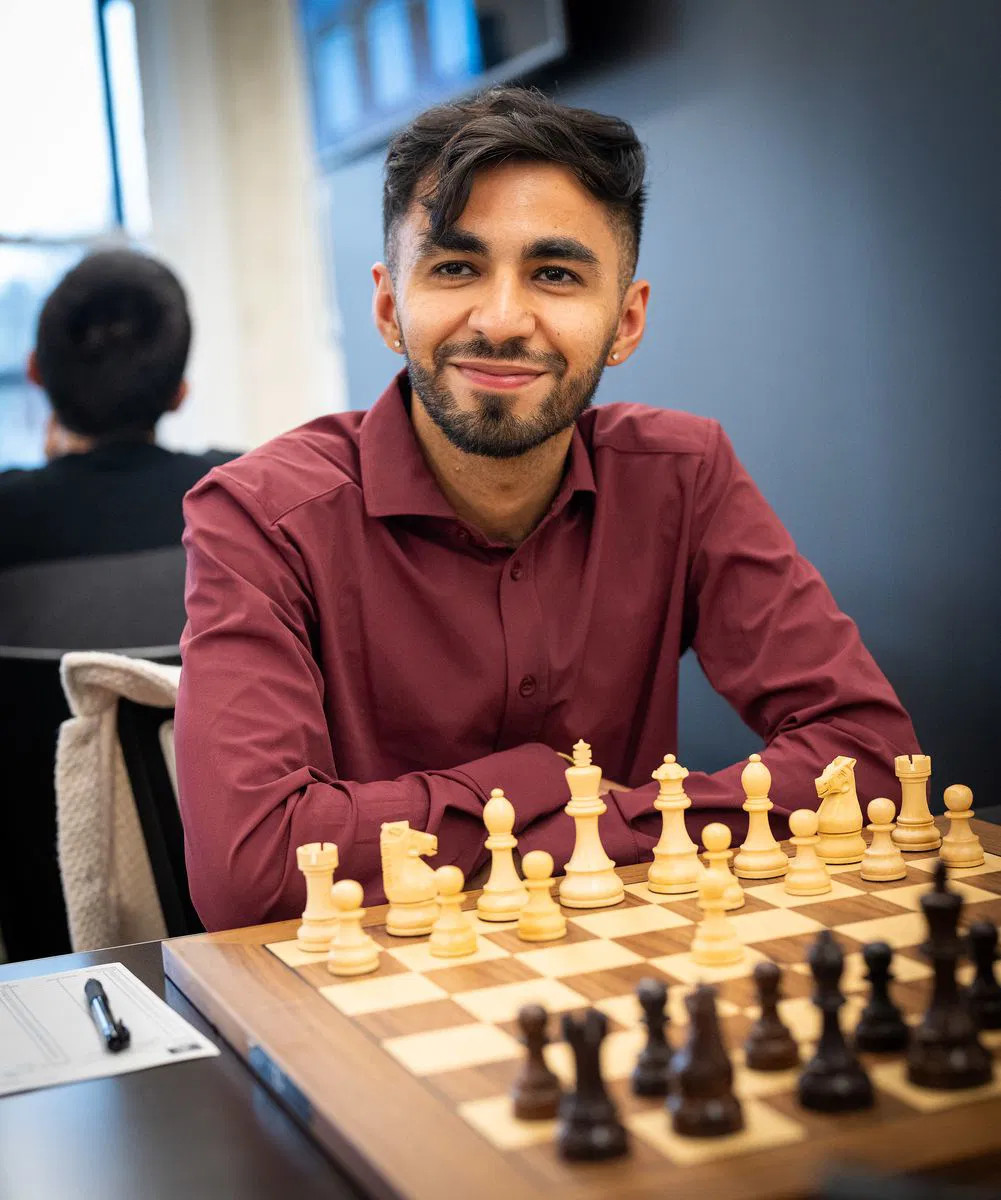
It will be exciting to see GM Harshit Raja in action – he plans to play all the events!
The GM Programme: Simuls and “Beat the Grandmaster”
Across all four days, a rotating cast of world-class grandmasters will take on the public in two formats.
The simultaneous exhibitions see a GM play 15 to 25 opponents at once. At the end of each simul the GM picks up to five games they most enjoyed (win, lose or draw – quality is what counts), and each of those opponents pockets US$100.
Then there is “Beat the Grandmaster”, a handicap blitz where the GM is given just 60 seconds while the challenger gets a comfortable 5 minutes. Beat the grandmaster and you earn US$50, with up to ten such scalps available per session. It is the kind of David-versus-Goliath format that produces the videos that go viral the next morning.
Some of the GMs who would be present and giving a simul are Leinier Domínguez, Peruvian legend Julio Granda and many more.
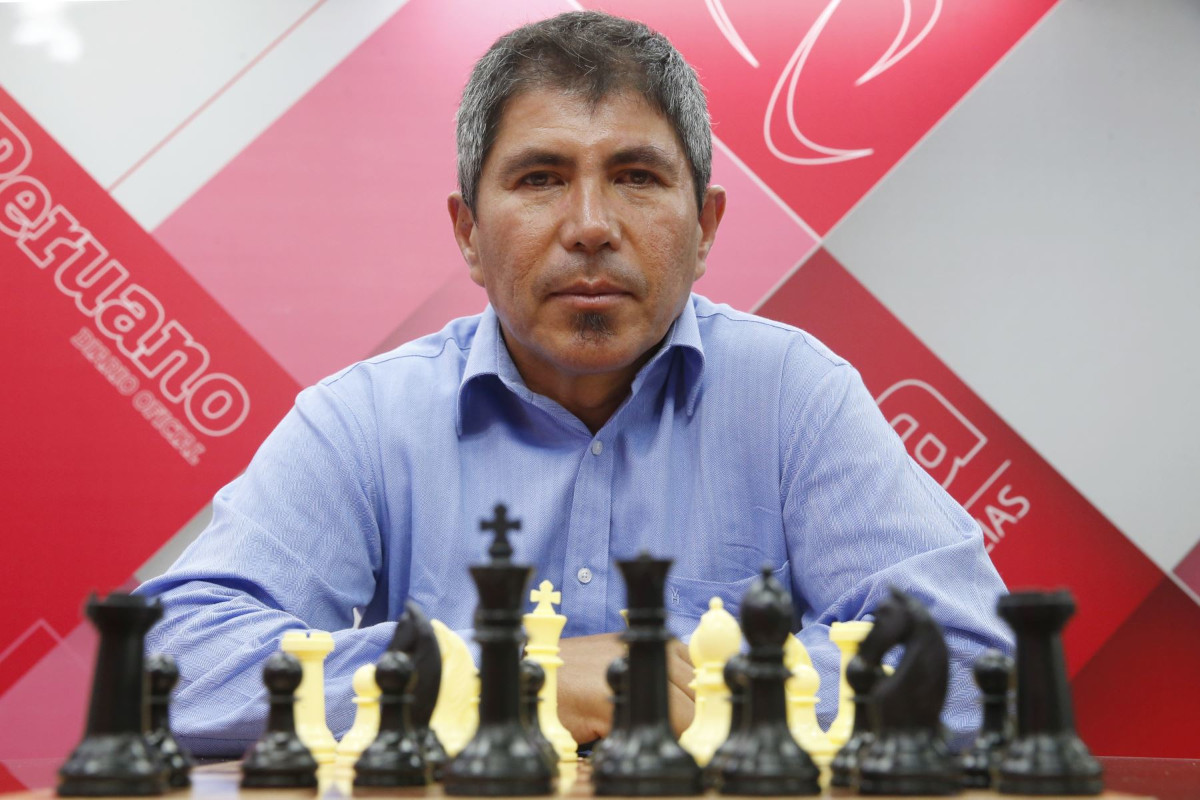
Living legend Julio Granda | Photo: Andina
The prize fund
The festival carries a total prize fund of US$100,000, distributed as follows:
- US$6,500 across the GM simuls and the “Beat the Grandmaster” handicap challenge.
- The remainder shared across the eight tournaments – each Blitz and Rapid event offers US$12,000 (US$3,000 to the winner, paying down to 10th place, with rating-band and dedicated women’s prizes), and each Bughouse event offers US$5,000 (US$2000 to the winner).
- An overall Grand Prix prize worth US$18,500, awarded on points accumulated across all eight tournaments, with US$7,000 to the overall champion.
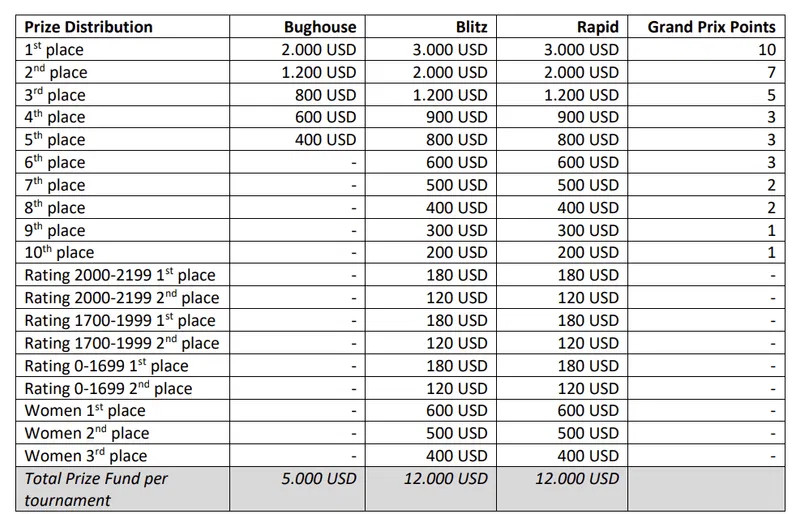
The prize fund for the Bughouse, Rapid and Blitz
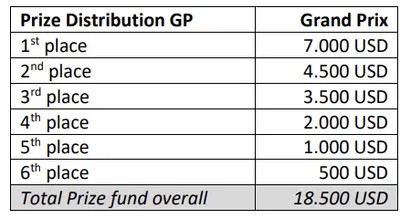
Grand Prix prizes!
On top of that sits the US$10,000 headline match between Oro and Martínez.
There is one more prize worth its own paragraph. The best female player from South America across the two Rapid tournaments wins a wildcard to the WR Women’s Chess Tour – Americas leg in Punta Cana, Dominican Republic (30 June–3 July). For the region’s leading women, this weekend is also a gateway to the next stop on the global circuit.
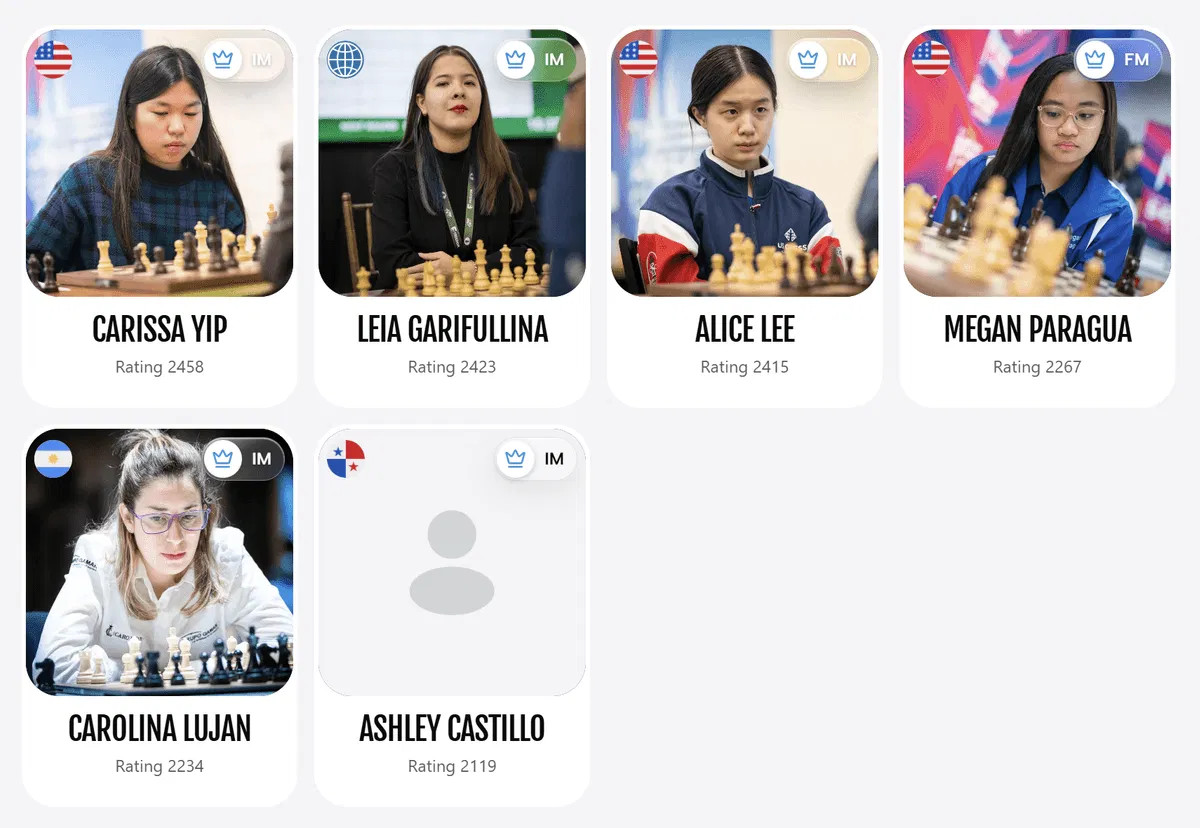
The players who are already confirmed for the WR Women’s Grand Prix in Punta Cana
The schedule at a glance (Lima time)
How to follow
WR Chess will be streaming the festival on its YouTube channel, with the broadcast schedule following the rounds above. Pairings and live standings will be posted on Chess-Results, and the organisers are active on Instagram (@wrchessofficial) and other social channels.
The tournament director is GM Sebastian Siebrecht, and the organising team is anchored by IM Martha Fierro, who has spoken of the 67-hour concept as the centrepiece of the whole idea – chess that simply refuses to stop.
Whether you are here to watch a 12-year-old grandmaster, to take a free swing at beating Leinier Domínguez in a simul or in a one-minute handicap game, or just to find out what a chessboard looks like at four in the morning, Lima is about to become the most relentless chess city on earth. Let the marathon begin.
A small note on how we got from India to Lima
It took us close to 24 hours to reach from Mumbai to Lima. We took a 1.30 a.m. flight from Mumbai to Paris. We reached Paris around 8 a.m. and our flight to Lima was at 10 a.m. After landing in Lima at around 4.30 p.m. we waited for our luggage, immigration and other procedures and eventually reached the hotel – the Lima Sheraton at 6.30 p.m.
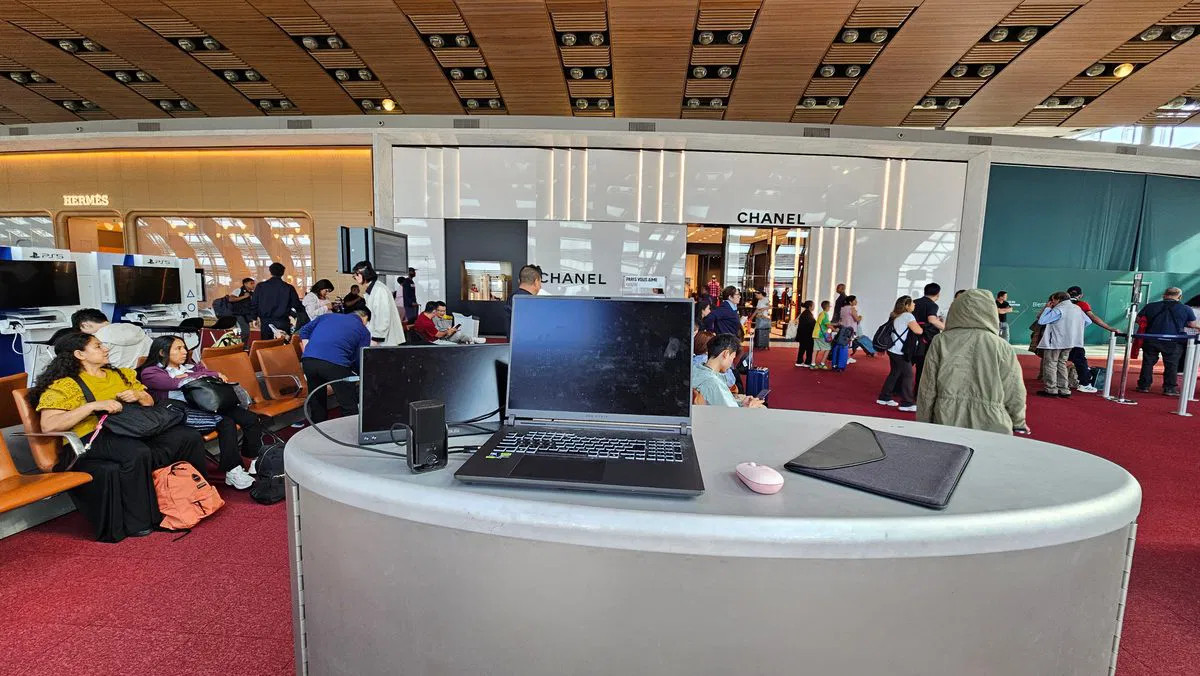
During our small stopover, I managed to record one commentary video
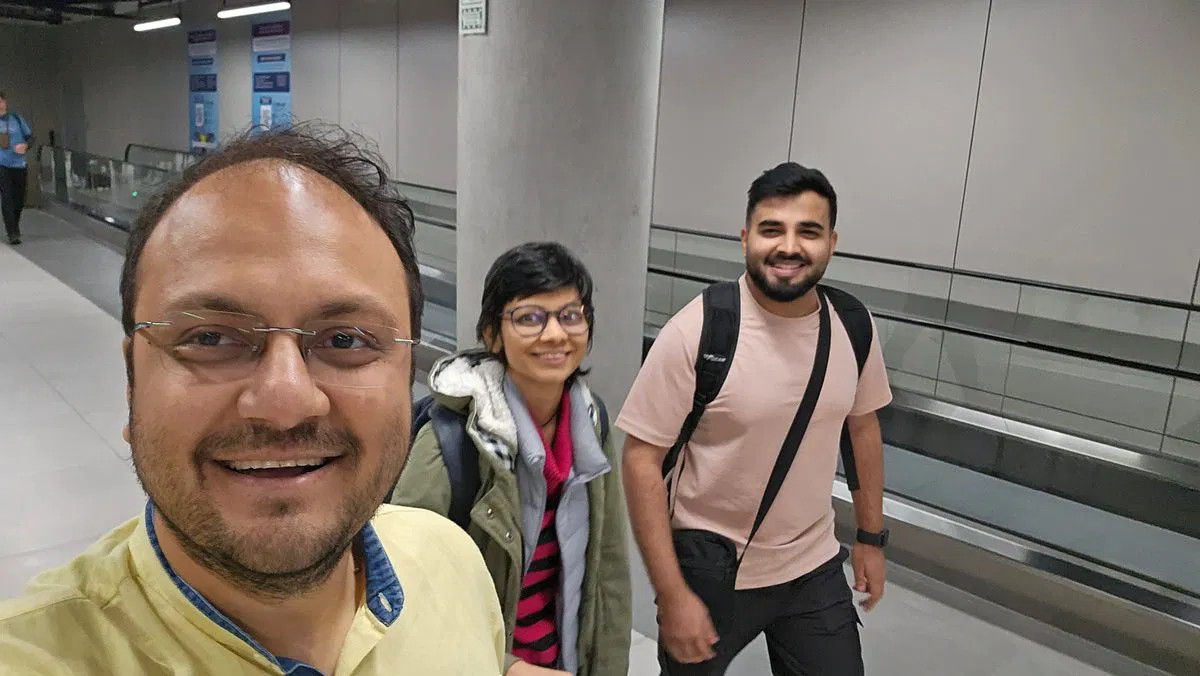
The ChessBase India team arrives in Lima – Sagar Shah, Amruta Mokal, Abhyudaya Ram (Harshit Bhai is missing!)
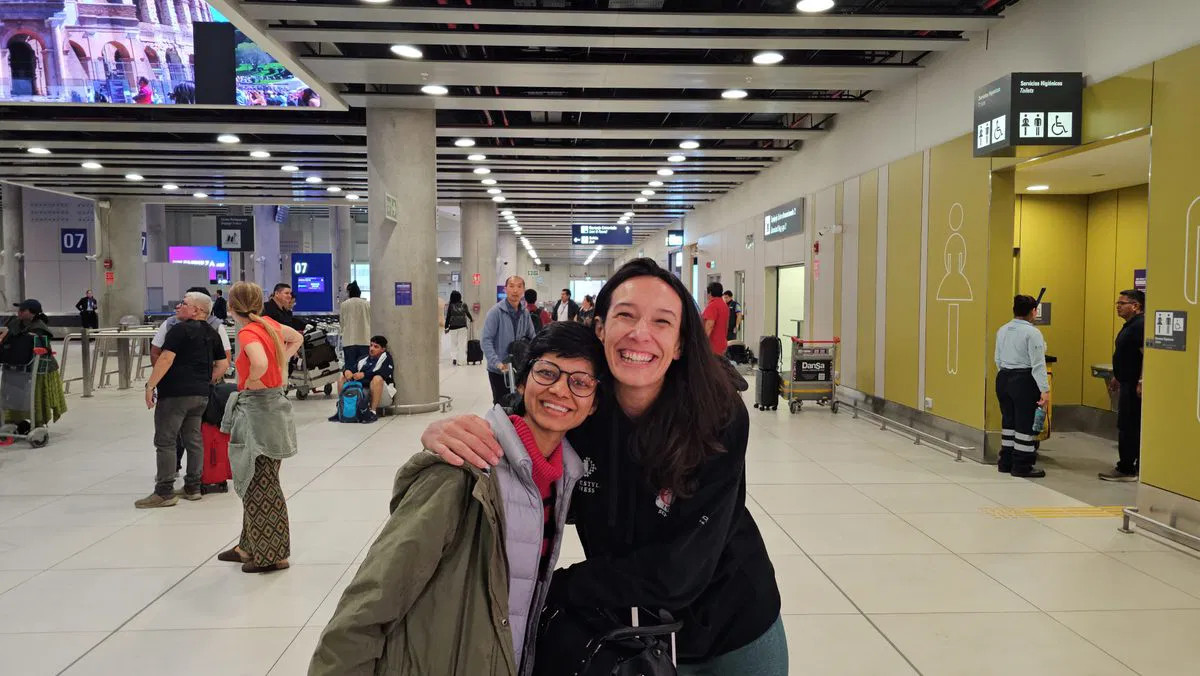
At the Lima airport, we met the ever smiling Fiona Steil-Antoni
Looking for an opening that gets your opponents thinking on move one? Grandmaster Andy Woodward has relied on 1.b3 for years in blitz and bullet, using it to defeat strong masters and grandmasters who underestimated its hidden venom. While many players dismiss the opening as harmless, they often find themselves caught in unfamiliar positions, tactical traps, and uncomfortable middlegames. This compact course is designed specifically for practical play. Instead of overwhelming you with endless theory, it focuses on the critical lines, typical plans, and recurring tactical ideas that matter most when the clock is ticking.
Free video sample: Introduction
Free video sample: King’s Indian Setup