


No event is too large or too small to celebrate the game
The International Chess Federation, the world governing body for chess, was founded on 20 July 1924 in Paris, France, during the first unofficial Chess Olympiad. Delegates from 15 different national chess federations – Spain, France, Great Britain, Canada, Finland, Switzerland, Yugoslavia, the Netherlands, Hungary, Belgium, Romania, Czechoslovakia, Poland, and Argentina – signed the founding proclamation, in the Town Hall of the 9th arrondissement in Paris.
FIDE became responsible for overseeing chess rules, titles, ratings, and major competitions such as the World Championship cycle and Chess Olympiad. In 1928 the FIDE general assembly approved the first chess regulations intended to standardize how chess was played internationally. In 1931 it set fixed board orders (teams’ players are assigned to specific boards and keep those assignments for the event, instead of being rearranged round by round), and in 1936 it adopted the rule that the world championship should be decided by a match rather than a tournament.
Every year on July 20, the global chess community comes together to celebrate International Chess Day. This year, FIDE invited players, federations, clubs, schools, organisers and chess enthusiasts around the world to celebrate by taking chess beyond the traditional playing hall. The challenge was simple: stage a game in the most unusual, meaningful or symbolic place imaginable – whether on a mountaintop, beside a famous landmark, underwater or anywhere else that captures the imagination.
The response was inspiring. From historic monuments and tropical beaches to schools, village squares and community centers, people from every corner of the world demonstrated that no event is too large or too small to celebrate the game. Here are some examples.
Sri Lanka
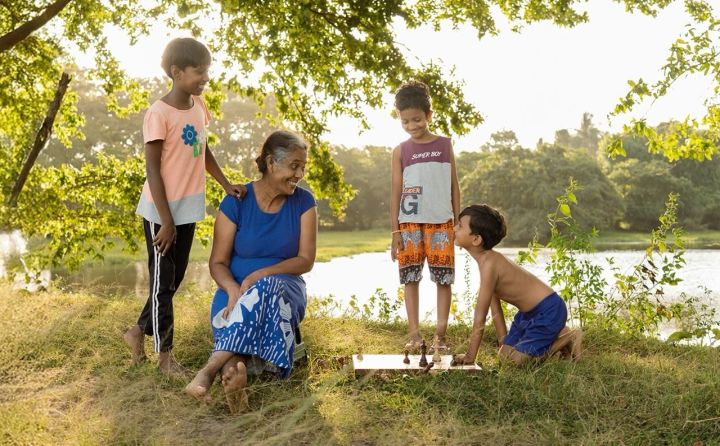
In a rural Sri Lankan village we see a young boy playing chess against an elderly woman. As the game progresses, more children gather, becoming part of the experience.
The Maldives
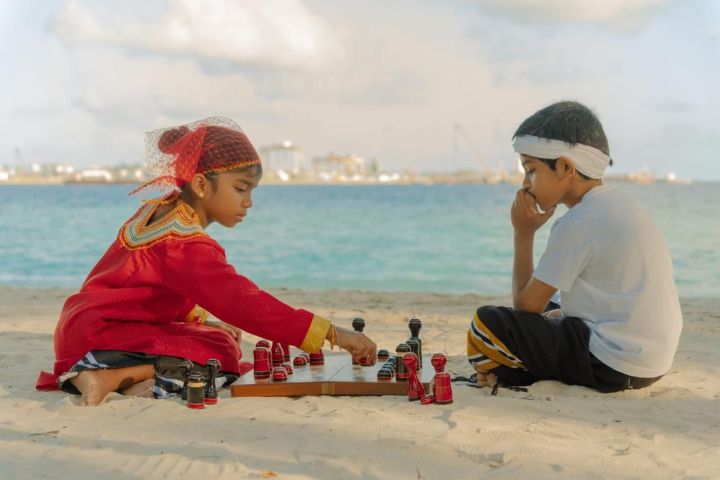
This archipelagic country in South Asia showcased Raazuvaa, the country’s traditional counterpart to modern chess. The centuries-old game reflects the rich heritage of the islands while sharing the same spirit of strategy and intellectual challenge of chess.
Pakistan
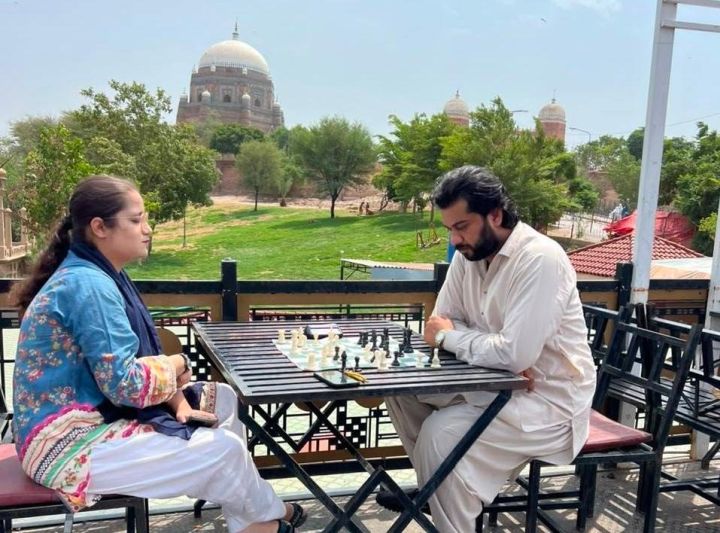
Surrounded by centuries of history, participants demonstrated strategy, patience and creativity while celebrating the timeless appeal of chess.
India
Looking for an opening that gets your opponents thinking on move one? Grandmaster Andy Woodward has relied on 1.b3 for years in blitz and bullet, using it to defeat strong masters and grandmasters who underestimated its hidden venom. While many players dismiss the opening as harmless, they often find themselves caught in unfamiliar positions, tactical traps, and uncomfortable middlegames. This compact course is designed specifically for practical play. Instead of overwhelming you with endless theory, it focuses on the critical lines, typical plans, and recurring tactical ideas that matter most when the clock is ticking.
Free video sample: Introduction
Free video sample: King’s Indian Setup
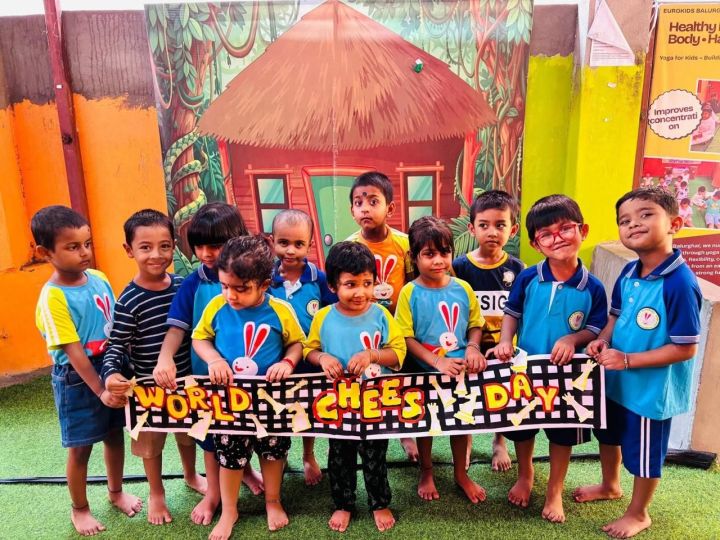
At the EuroKids Balurghat School, even the youngest children joined the celebration. Through playful activities, they discovered how knights move, how pawns become powerful.
United Kingdom
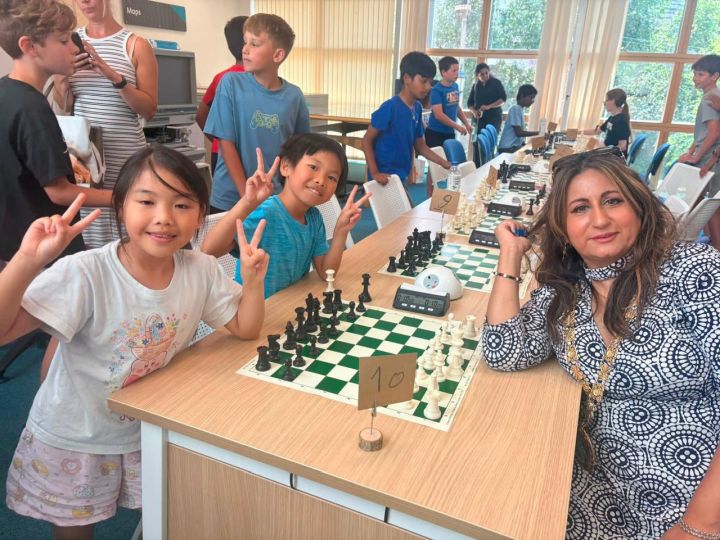
The town of Rugby in the United Kingdom hosted an inclusive International Chess Day celebration that brought together school champions from across the Midlands.
South Africa
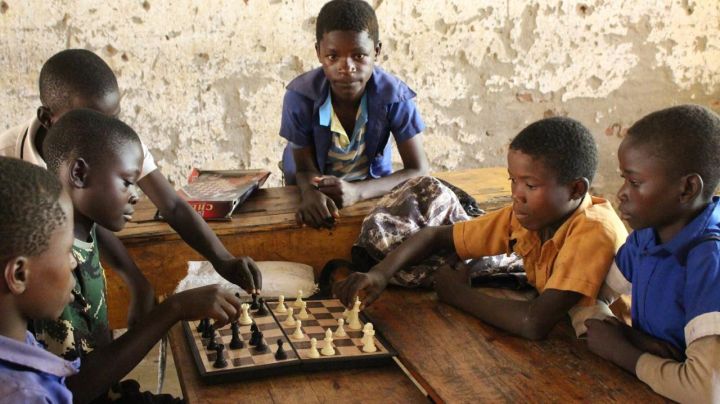
At Kagisono Combined School in Soutpan, South Africa, educator and coach Thato Lempe shared how chess has become a powerful educational tool.
Festivals, public squares and historic churches
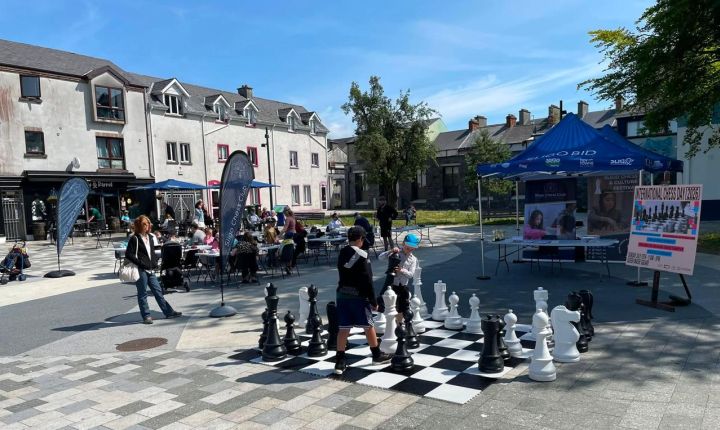
In Ireland, the Sligo Chess and Culture Festival transformed Queen Maeve Square into a vibrant meeting place for chess and culture.
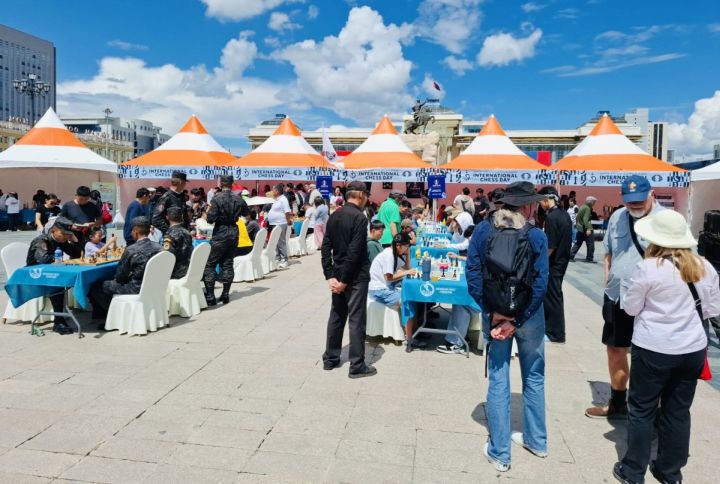
The Mongolian chess family and chess enthusiasts celebrated International Chess Day at the iconic Sükhbaatar Square in Ulaanbaatar.
These were just a few of the many stories that were received by FIDE this year. Together, they demonstrate that chess belongs everywhere – to schools and city squares, beaches and villages, historic landmarks and places of worship. Most importantly, it belongs to everyone.
In this video course, experts (Pelletier, Marin, Müller and Reeh) examine the games of Judit Polgar. Let them show you which openings Polgar chose to play, where her strength in middlegames were, or how she outplayed her opponents in the endgame.