
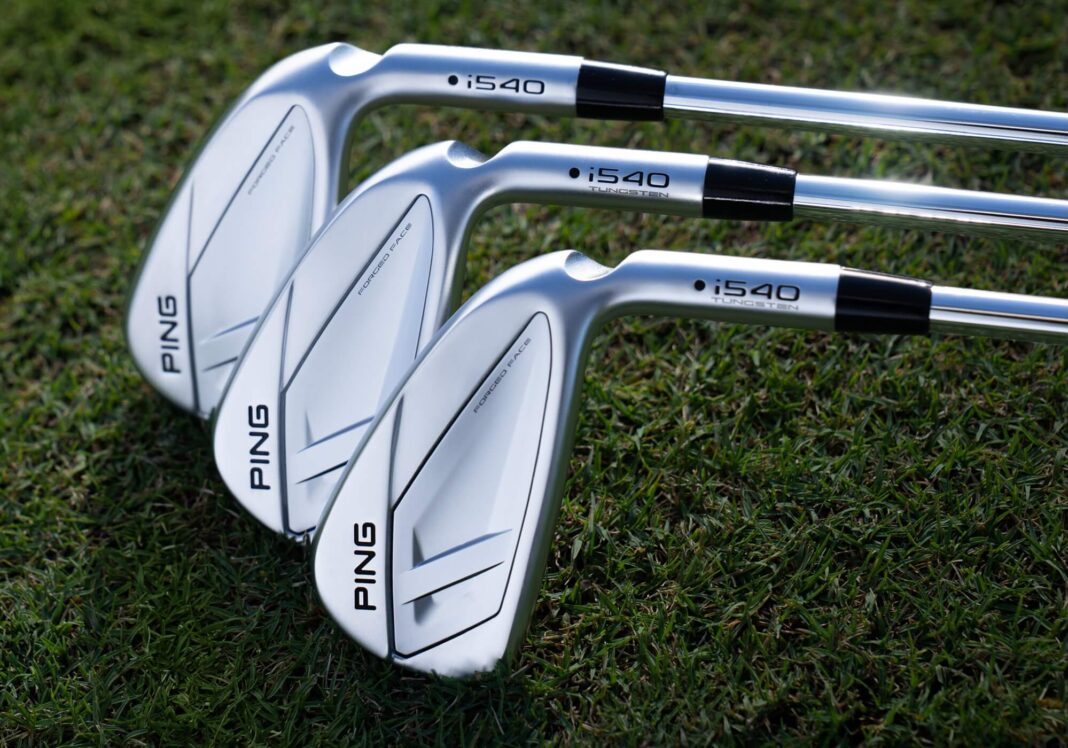

When PING launched the i500 irons in 2018, it jumped headfirst into the deep end of the emerging player’s distance category.
As you’d expect, PING did so in a uniquely PING way. That original i500 combined playability with as much metalwood-style explosiveness as possible while still trying to keep a sleek and compact look.
That’s a combo PING has spent the past eight years and three generations trying to perfect. Balancing launch, spin, distance and player-preferred shaping isn’t as easy as it sounds because something usually gets sacrificed. If you add “sweet feel” to the recipe, the task gets even harder.
So, the question is this: With the new i540 player’s distance irons, has PING inched closer to its goal of forming a more perfect union? Let’s take a look and see if PING has threaded that particularly vexing needle.
The new PING i540 irons: A tricky balancing act
If we use the 2024 PING i530 models as a baseline, there’s no reason to think the new i540 irons won’t be rocket launchers as well. In MyGolfSpy’s 2024 player’s distance iron testing, the i530 finished third overall and second for distance. While it showed good accuracy potential, it finished near the bottom of the test in forgiveness.
“The i530 was a little more distance-competitive than our previous offerings in that space,” PING Design Manager Travis Milleman tells MyGolfSpy. “We made a conscious decision to strengthen the lofts. We tried to balance that with a really low center of gravity to get the ball in the air and add stopping power.”
Stopping power is a challenge for any player’s distance iron. Stronger lofts require low centers of gravity to get up in the air. That’s the distance recipe but it’s also the low spin recipe. These irons have to rely on descent angle to hold greens.
“We know distance is a huge factor,” says Milleman. “If you have the longest iron in the fitting bay, that’s great. But you still have to play it on a golf course.”
While our testers found the i530 long and accurate (a left/right metric), they dinged it on distance consistency (a front/back metric). That’s something PING has tried to improve in the new i540 and the changes, even though you can’t really see them, are actually pretty radical.
The consistency parallax
With each iteration of the i500 series irons, PING has been able to push the center of gravity lower. As lofts have strengthened, spin has dropped, but peak height has increased as has descent angle. There is, however, a consistency benefit to lowering the CG.
When you hit a higher-CG iron off the turf, you’re impacting the ball below the CG line. That inherently adds spin but slows ball speed. That’s fine for control but a problem arises if you’re in the rough, where the ball sits a little higher. The ball is now at the CG level and you wind up hitting a rocket.
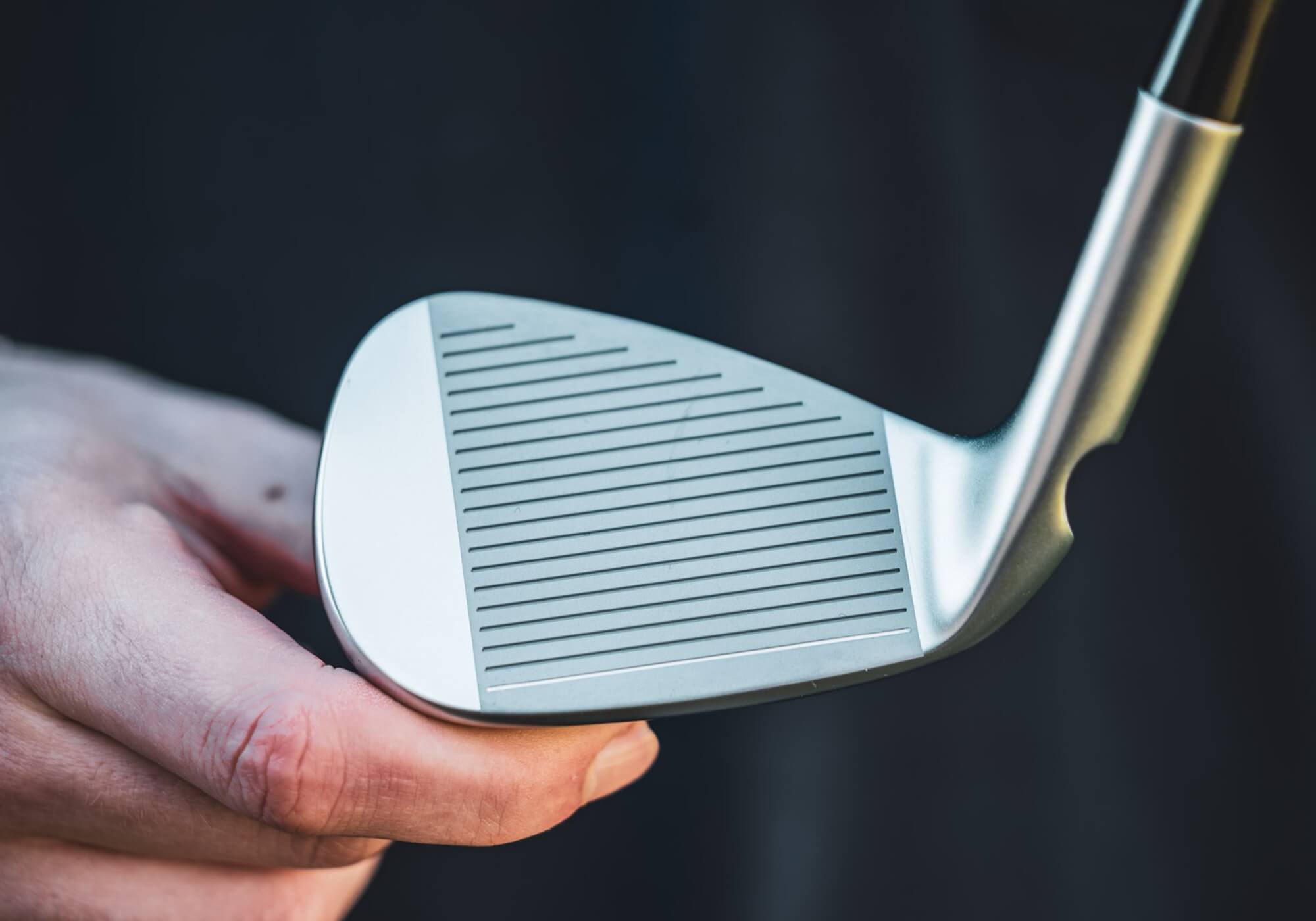
That’s one reason why you tend to hit irons longer off the tee than off the turf.
“Our desire to lower the CG in the i540 is to make the average impact more even with the CG,” says Milleman. “We’re trying to lower the CG to where it’s in perfect alignment with the golf ball at impact.”
The goal, it would appear, is to tighten up distance consistency by making all your shots rockets.
“The most efficient impact is in the center of the face at CG level,” Milleman explains. “The reason we have VFT (variable face thickness) is to make the heel and toe hotter. We’re making those areas thinner to have a more efficient impact.”
InR-Air in the side pocket
While the concept and hollow-body construction are mostly the same, there are a few radical differences between the i540 and its predecessors.
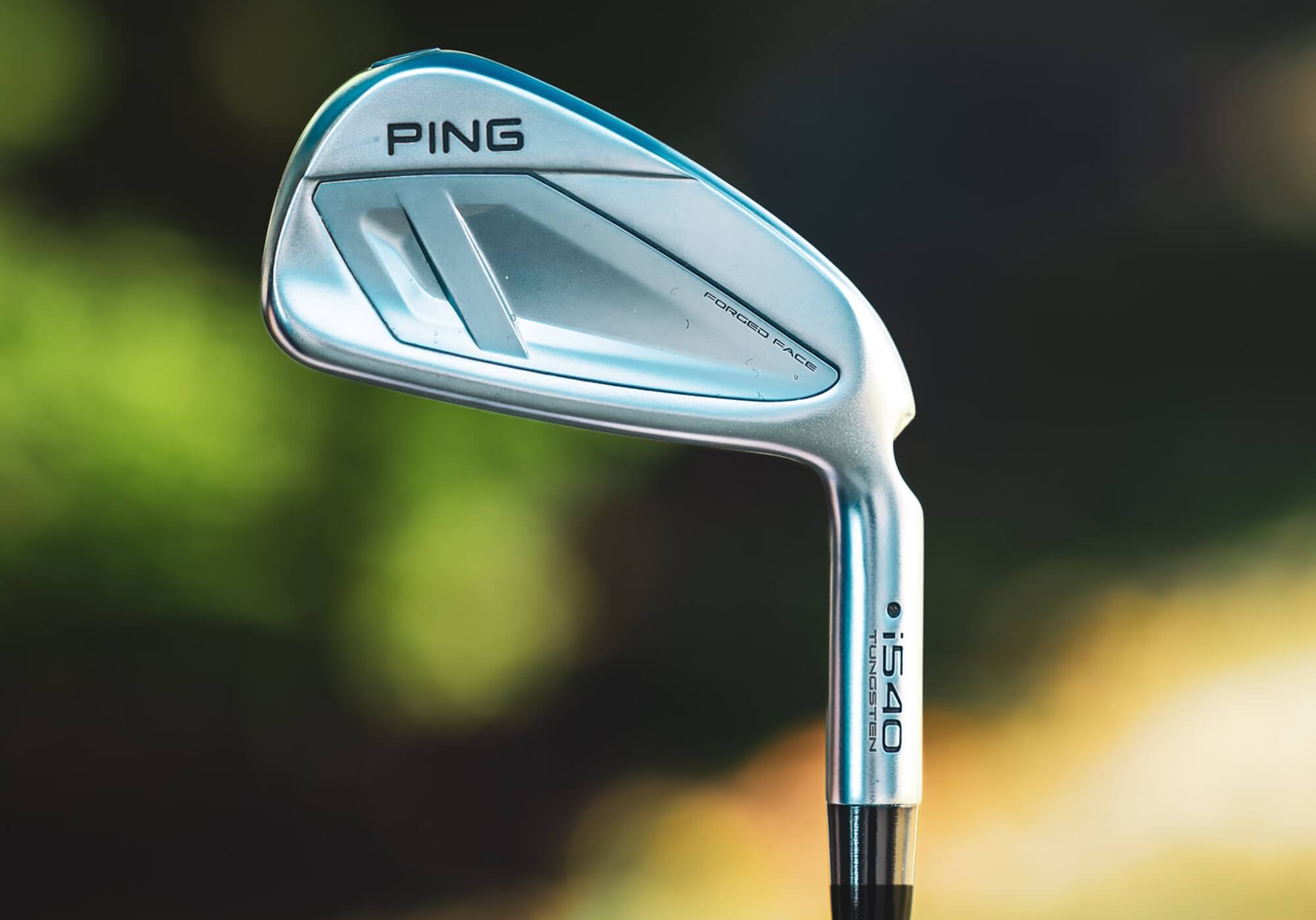
Since the original i500, PING has used metalwood construction in its player’s distance line. The new i540 is no different. It features a forged, variable-thickness face made from C300 maraging steel backed by a Hyper 17-4 stainless steel body. That’s the same construction PING uses in its fairways and hybrids but this face is a full nine percent thinner than that of the i530.
“When we’re designing these irons, we want the face to bend, flex and return,” says Milleman. “We want metalwood-type face bending.”
That gives awesome distance but also a clanky sound and feel. PING used up to four grams of hot melt in the i530 to control sound and vibration and it worked pretty well. For the i540, PING is taking to the air, as in inR-Air.

First used in last year’s hollow-body iDi driving irons, inR-Air is, in essence, a pressurized air pillow inserted into the cavity to dampen vibrations.
“It’s not overly pressurized,” Milleman explains. “It’s pressurized just enough to touch all of the sidewalls in the cavity to restrict and control vibrations without restricting face flex itself.”
Since air weighs, well, nothing, PING can save a few more grams while still improving sound and feel. Additionally, inR-Air, along with a slightly reduced face height, helps bring the CG down 2.4 percent lower than it was in the i530. That club’s CG, by the way, was 10 percent lower than that of its predecessor, the i525.
However, the fact that an internal pressurized air pocket is vital to the iron’s performance raises a couple of serious questions.
Actually, more than a couple.

Why is there air?
If those questions are popping into your head right now, trust me, we’re way ahead of you.
For instance, what happens if the inR-Air pops or leaks? What about temperature? Will that impact how well it works? What about altitude? What happens when I travel with them on a plane?
Like I said, we’re on this.
Turns out, so is PING.
Figuring out how to get the insert into the head in the first place was tough enough. For obvious reasons, it couldn’t be done before welding.
“We had to be able to remove the back cover to slide it in,” says Milleman. “On i530, the back was just a steel wall. We’ve basically carved that out to slide the insert in.”
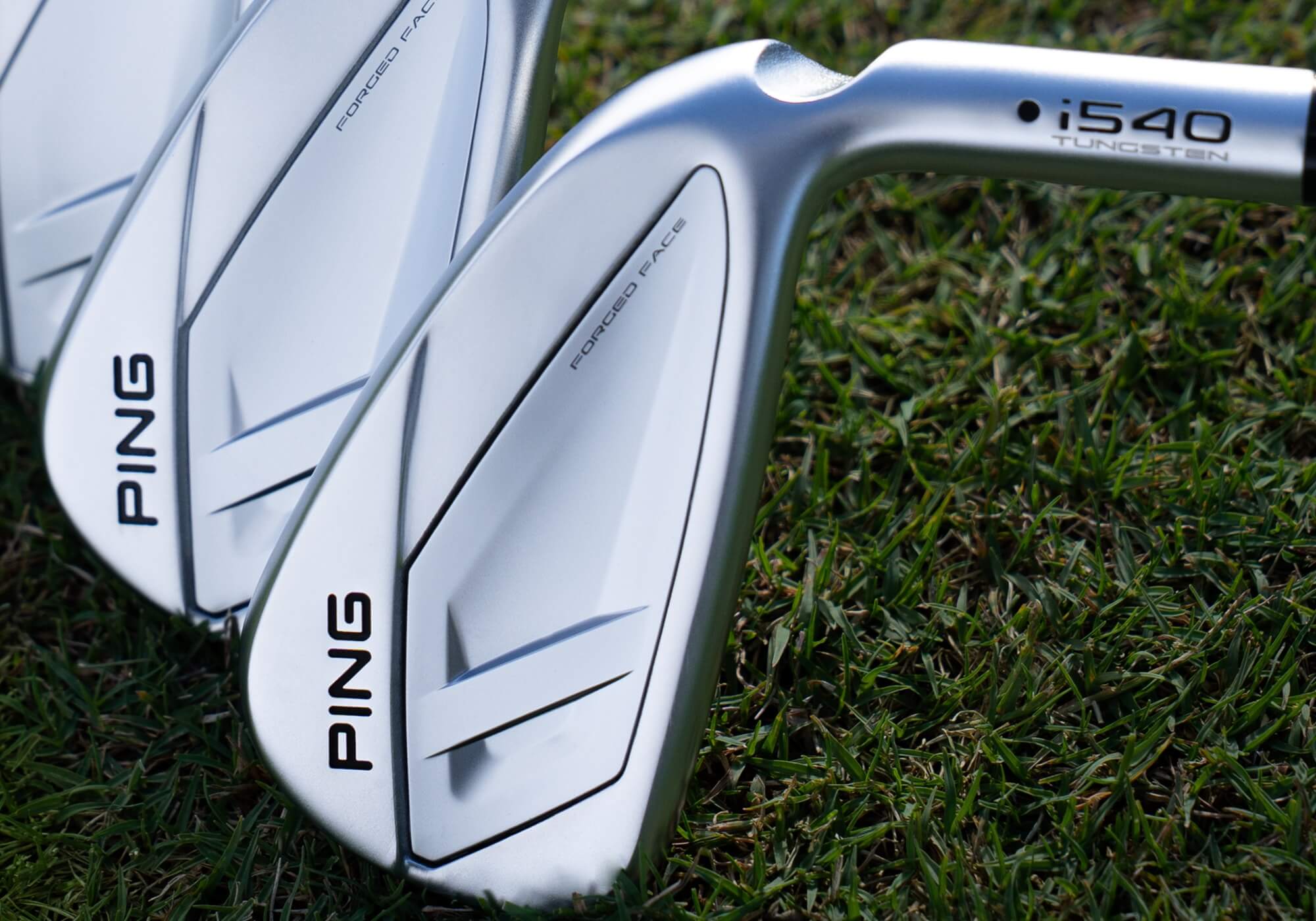
PING added an internal I-beam for better structure before covering the cavity with a chrome-plated ABS cap.
While the insert touches the entire face and much of the internal structure, it’s not fully pressurized. That’s so it won’t inhibit face flex. On top of all that, PING tests 100 percent of the inserts before installation.
That, however, is nothing compared to their testing to make sure it stays inflated out there in the real world.
Temperature, pressure and the ideal gas law
Any middle-school science student knows temperature and elevation impact air pressure in anything (PV=nRT). If driving irons have inR-Air issues, you deal with it. Player’s distance irons are your bread and butter, however, so PING tested the hell out of it.
First, 110-mph robot impacts were repeated at 0° and 160° F. The higher temp may seem arbitrary but PING determined that’s about as hot as a club can get in a natural setting. They had an engineering intern put temperature sensors on three clubs and stuck them in a black sedan in the parking lot during a July heat wave in Arizona. One was in the trunk, one in the back seat and one on the dashboard. 160° F was the highest temperature recorded.
(For the record, don’t store your clubs on your dashboard in Phoenix in July)
So, they heated some i540 irons to 160° and let the PING Man robot whack away. They then tested at 0° after letting the clubs sit in a freezer overnight. PING also submerged a club in a bucket overnight to get water inside the head and then froze it. If water got into the insert, it would freeze and expand.
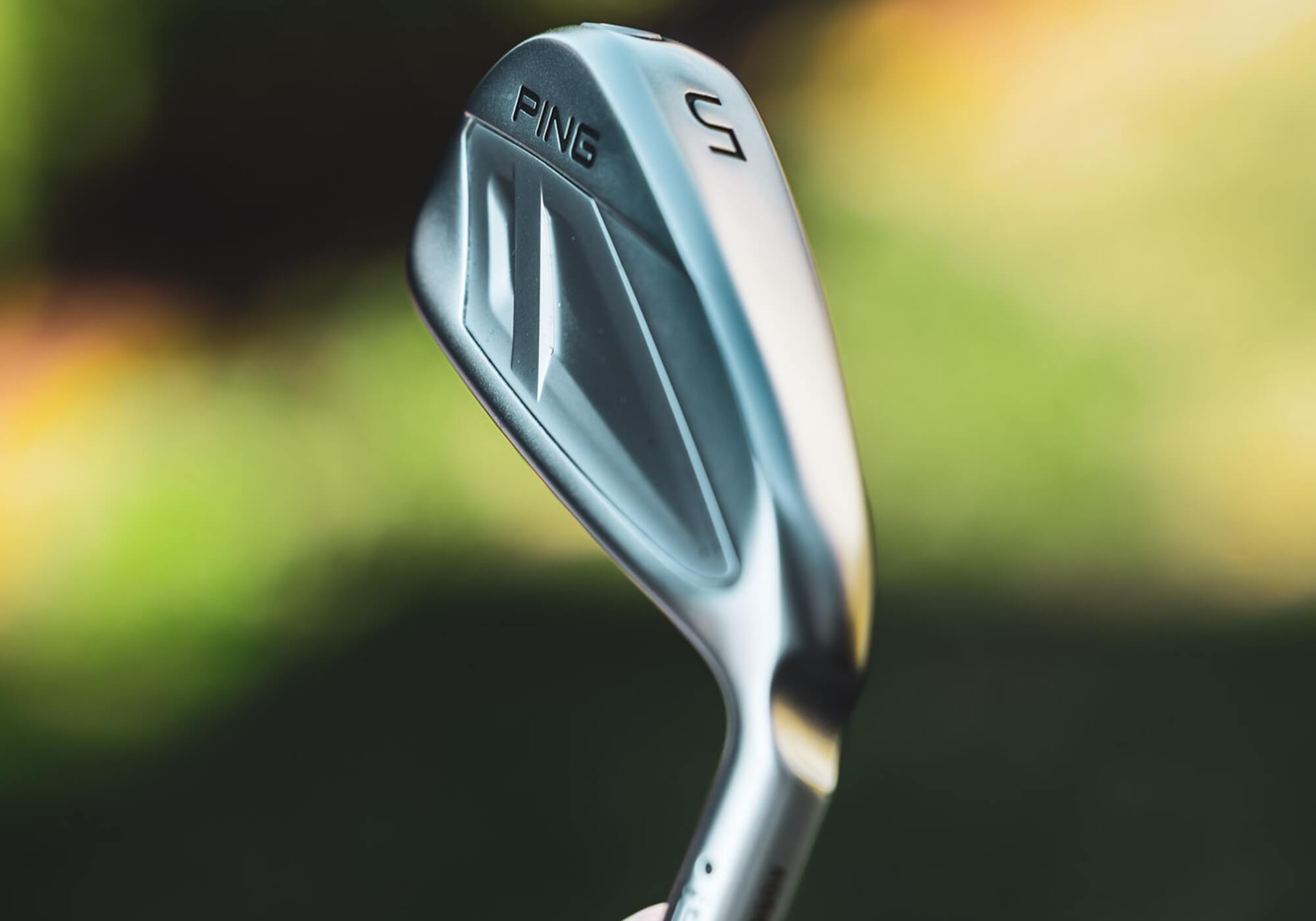
After all this testing, they found the inR-Air inserts remained perfectly intact.
To check air travel durability, PING measured a large batch of inserts and then shipped them around the world.
Seriously.
At each stop, PING engineers took the inserts out and measured them again before shipping them back to Phoenix.
“Our engineer here measured them all at his desk with calipers,” says Milleman. “Then we shipped them out again. We did this a bunch of times to see if they changed size. If they did, we’d have a problem.
“We found they didn’t change size at all.”

Yeah, yeah, yeah – but what if it does deflate?
As creative as these tests are, they still don’t answer one simple question.
What happens if it leaks and deflates somewhere down the road? Am I screwed?
Yep, PING tested that, too.
Remember, this is still Karsten Solheim’s company.
“We purposely deflated one and did a blind player test with three other clubs with perfect inserts,” says Milleman. “Of the 20 players who tested all the clubs, only one noticed any kind of a difference and that was the same guy who measured every single test insert at his desk.

“He only knew because he had personally hit thousands of these clubs during development. But even then, he wasn’t 100 percent sure.”
So, PING doesn’t think the inR-Air insert will ever deflate. But if it does lose pressure, you probably won’t notice. If that’s the case, then why bother with it at all?
“If you don’t have it in there, the club feels drastically different,” Milleman explains. “We did the same test using a club without an insert and you could feel the difference.”
Additionally, the material used to make the insert features very small molecules, smaller than actual oxygen molecules, which prevents natural molecular diffusion. It’s the same theory as using nitrogen in your tires instead of air.

PING i540 iron specifics
As mentioned, the PING i540 irons feature a lower CG compared to the i530. That’s due to mass saved by the thinner face, the lighter inR-Air pocket and 24 grams of tungsten in the 4- through 7-irons. PING also boosted heel-toe MOI and overall forgiveness a bit with a slightly longer blade length.
The loft structure is the same as the i530. It’s one of the strongest in the player’s distance category, with the 7-iron coming in at 29 degrees. As usual, PING also features Power and Retro Spec offerings with overall lofts either a bit stronger or weaker throughout the set, depending on what a golfer needs.
“There are golfers who want a little bit bigger club that still looks like a player’s iron,” says Milleman. “The i540 fits as a tweener model between the i240 and G440.”
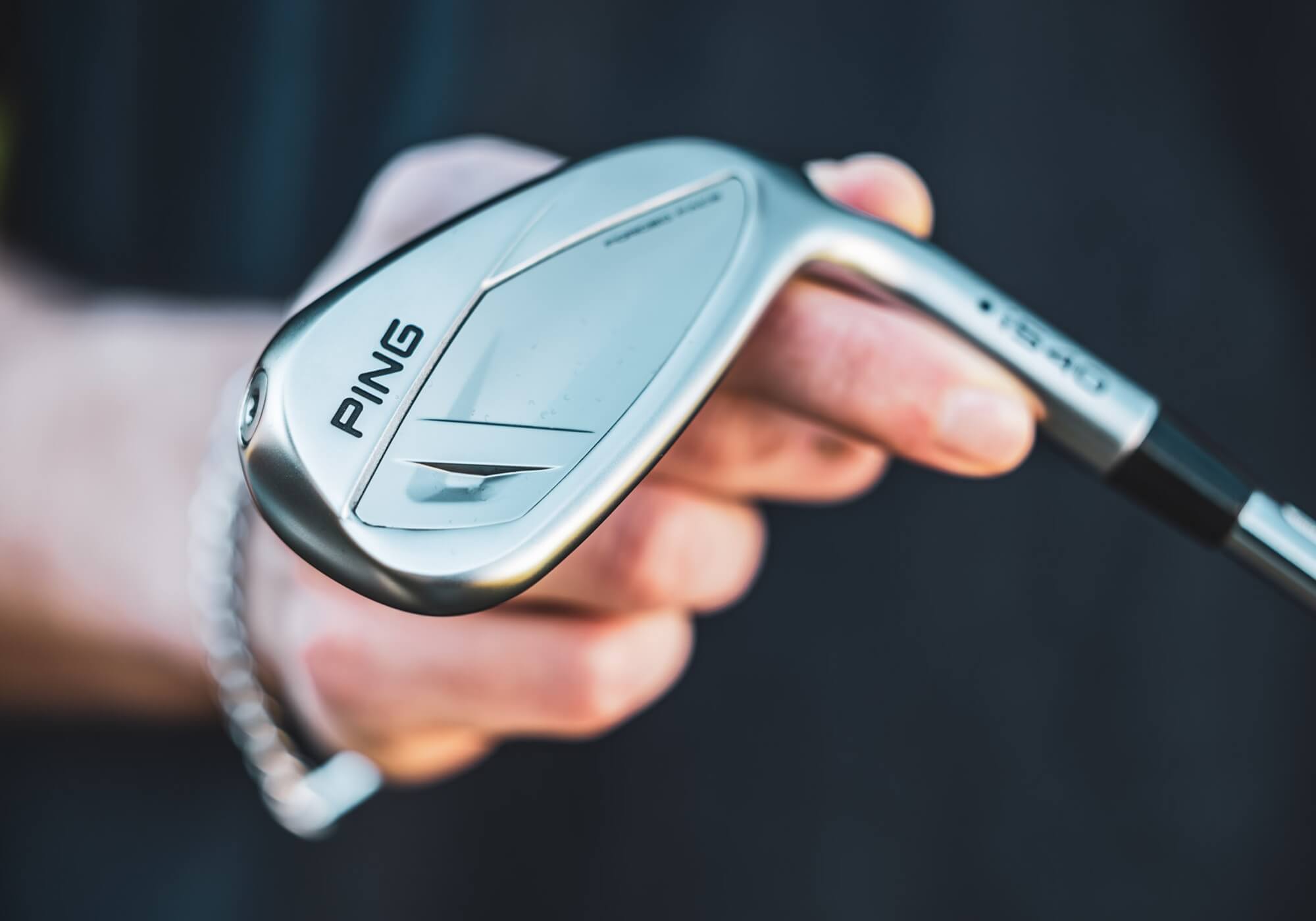
These improvements, according to PING, do have tangible benefits. As usual, PING is prudent when reporting its test results. They’re seeing a 0.6-mph ball speed increase in 7-iron player testing with a five-foot higher max height and 100 rpm more spin. That all blends into 1.4 yards worth of new carry compared to the rocket launchers that were the i530.
So, 1.4 yards may not sound like a lot – heck, it isn’t a lot – but it’s a difference. Not enough to dump your i530 set for the new i540 but that should keep them on the radar for anyone looking to upgrade from older iron sets.
PING i540 irons: Specs, price and availability
The new PING i540 player’s distance irons will be available in 4-iron through a gap wedge or, as PING calls it, a UW, in left- and right-handed models. The set features PING’s unique, water-shedding Hydropearl 2.0 finish.
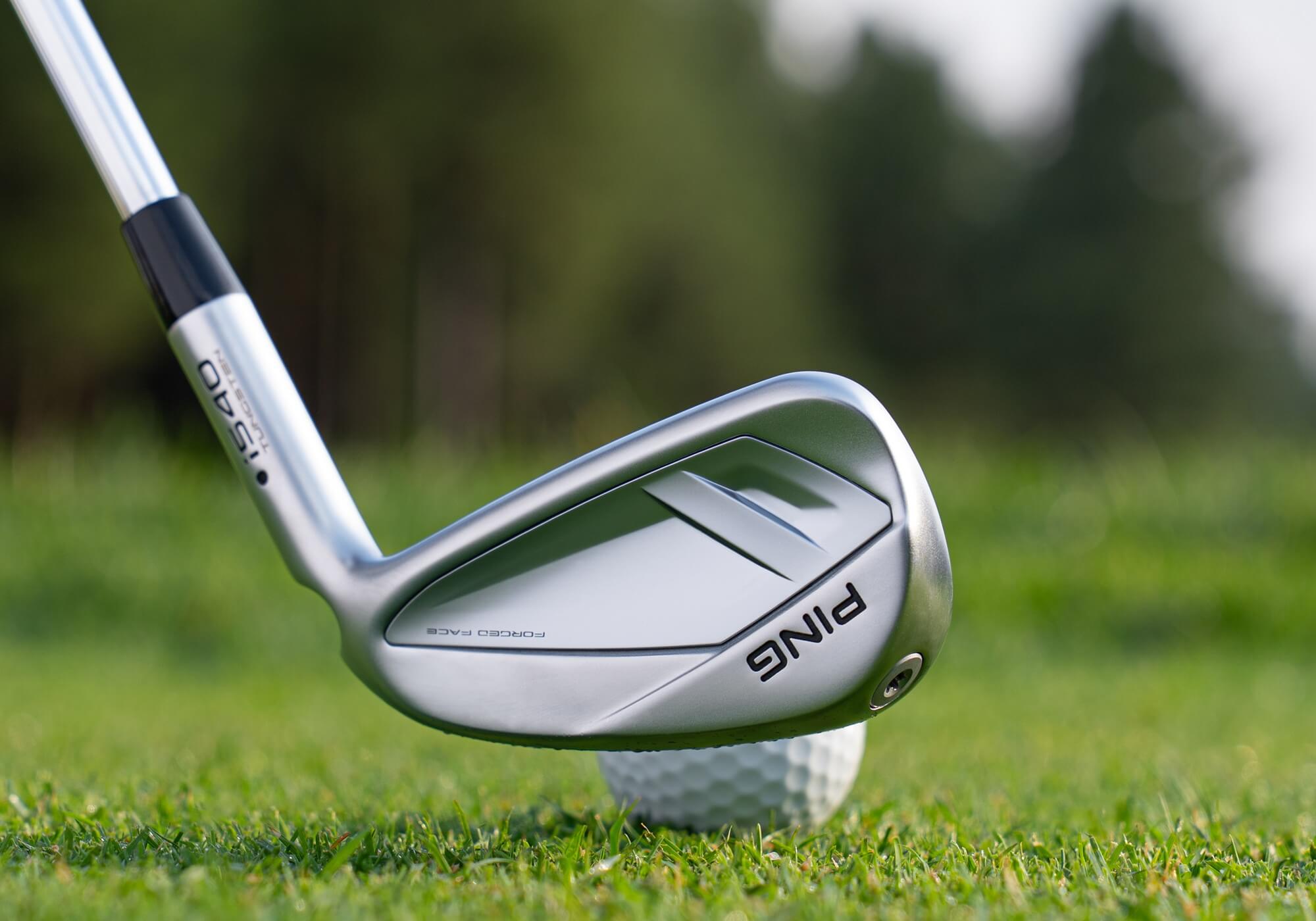
The stock shafts are the Dynamic Gold DG Mid 100 in steel and the PING Alta CB Blue in graphite. As is PING’s policy, there’s an impressive array of no-upcharge optional shafts including PING’s AWT 3.0 Ascending Weight Technology shafts (the shafts get lighter as the irons get longer) as well as True Temper Dynamic Gold, KBS Tour, Nippon N.S. Pro Modus3 Tour 105 and 115, the Elevate MPH 95, the UST Recoil Dart and the PING Alta Quick.
The Golf Pride Tour Velvet 360 is the stock grip.
PING doesn’t publish retail pricing, only what it calls MSRP which is like “list” price. The MSRP is $225 per club in steel and $250 per club in graphite.
They’re available for pre-order and custom fitting starting today.
For more information, visit the PING website.
The post Can The New PING i540 Irons Redefine The Player’s Distance Category? appeared first on MyGolfSpy.