

There’s a problem with putter fitting.
Several problems, actually.
The first problem might be the biggest. It’s accessibility. Finding somewhere for a good data-driven putter fitting isn’t easy. Additionally, as it often requires a SAM Lab or Quintic setup, it’s not what you’d call inexpensive, either.
Next, putter fitting is complicated. A driver fitting is fairly straightforward: find a head and shaft combination that goes the farthest and straightest. Putter fitting, if it’s a real putter fitting, gets into things like eye dominance, stance tendencies, stroke type and how the brain interprets what the eyes see.
On top of that, you could go to five different fitters and get five different recommendations. Not exactly confidence inspiring, is it?
To add to the confusion, we golfers cling to various bromides, aphorisms and wives’ tales. “Just find something you like the looks of” is a common one. “A good putter can putt with anything” is another. Both are “true.” Just like getting rich in Vegas with one good roll of the dice is “true.”
For the tool we use for nearly half our strokes whenever we play, we’ll go to great lengths to justify not getting fit.
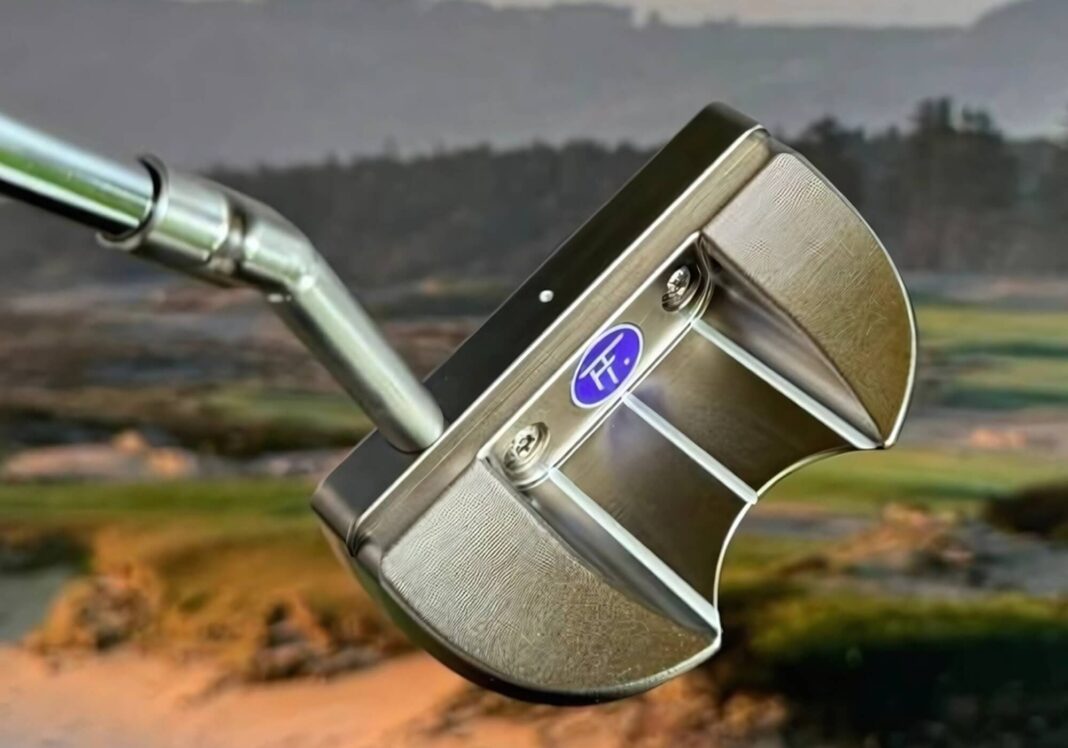
That, in a nutshell, is why a company from New Zealand called Fine Tuned exists.
We discovered Fine Tuned at the PGA Show in January. I wouldn’t go as far as to say the company has cracked the putter fitting code but I can tell you it has developed a system that’s simple, yet thorough, detailed, yet quick, and, more importantly, repeatable and scalable.
And it will deliver a putter that’s custom fit and custom built just for little old you.
Fine Tuned in the heart of Aotearoa
Let’s get this on the table early. All I know about New Zealand is that you don’t let Kristen make the coffee (Hey, if you know, you know). Well, there’s that, plus the thing I had for Lucy Lawless back in the day,
Still do, if I’m being honest, But I digress.
Fine Tuned founder Peter Ranford was an aspiring golf pro who found himself fed up with the state of putter fitting in New Zealand and everywhere else.
“I’d get completely different putter recommendations every time,” Ranford tells MyGolfSpy. “The inconsistency was frustrating. If I’m the same guy and have the same putting problem every time, I’d hope I’d get the same putter recommendation.
“Putter fitting was largely down to art and feel. I thought there would have been a lot more to it.”
By that time, Ranford turned to club building, working with some of New Zealand’s top players including Lydia Ko and regional touring pro Michael Hendry who showed up one day with two very expensive Scotty Cameron Circle T putters. He liked the head on one and the hosel on the other. Could Peter help him?
“Well, I’m not going to just chuck this thing in a vice and start cutting,” Ranford chuckles. “So I made some prototypes. That got me thinking that this could be a fitting system with interchangeable hosels, tunable lofts, etc.
“That forced me to buy a three-axis CNC milling machine and we were on our way.”
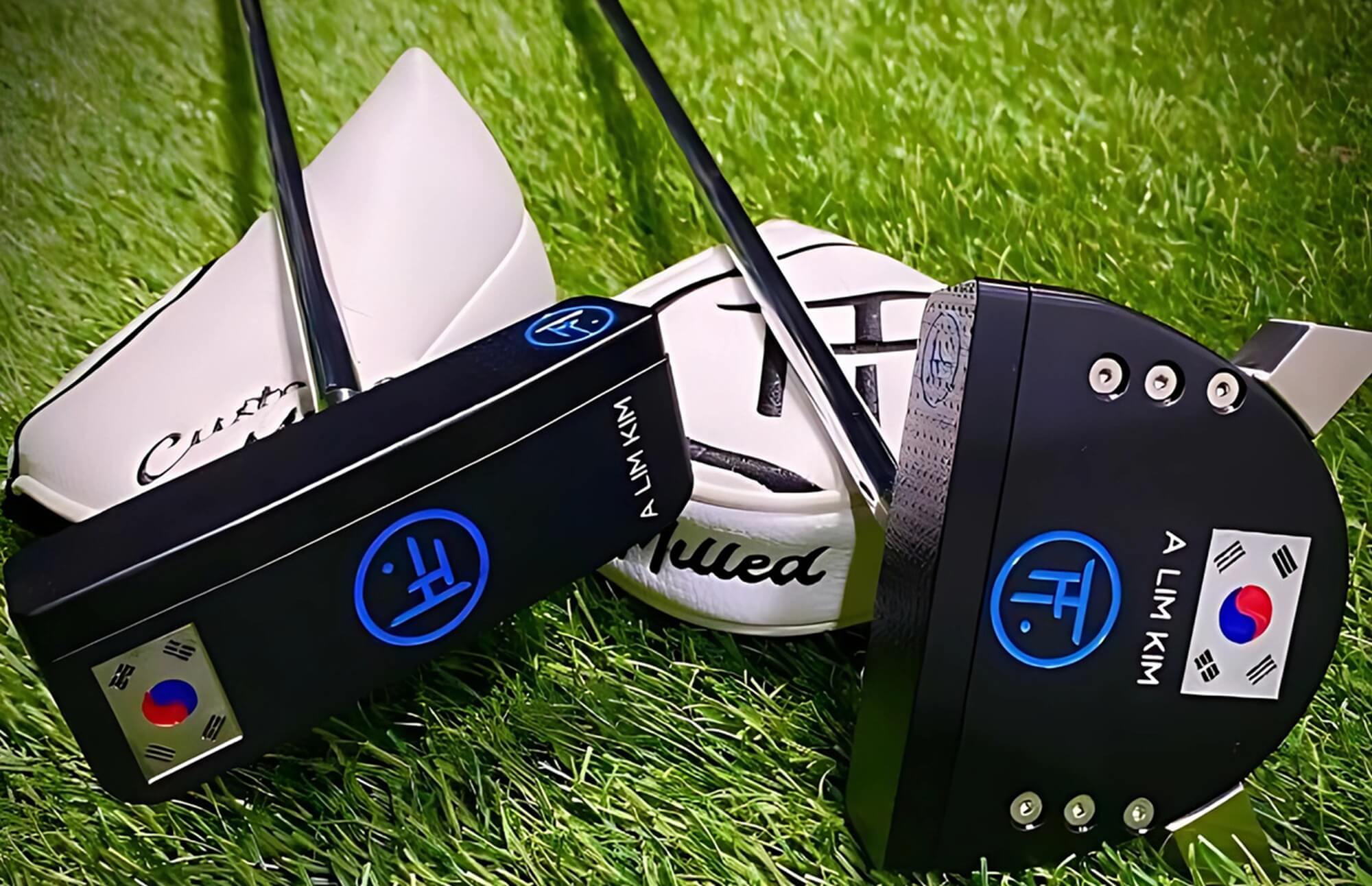
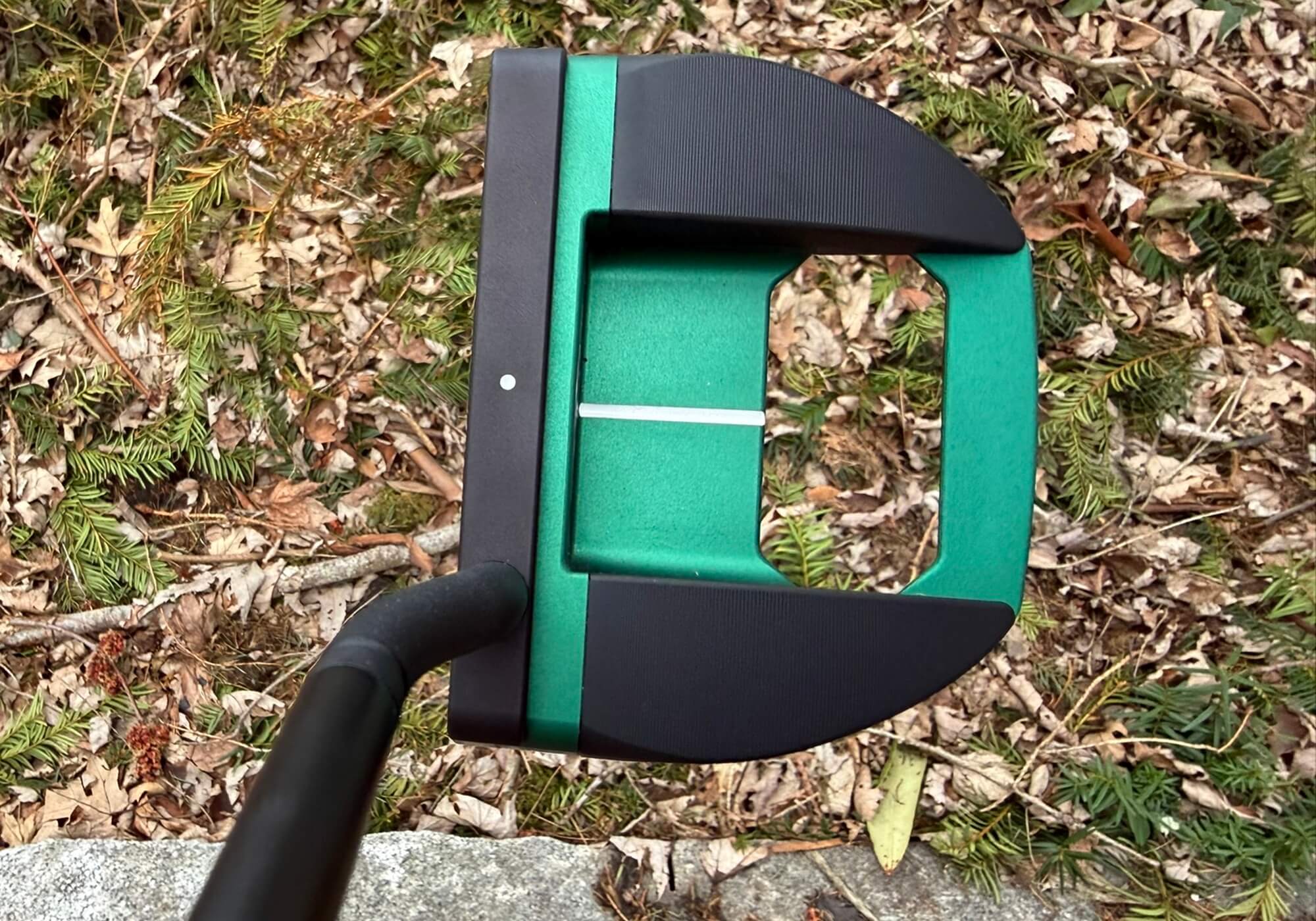
Ranford still has the very first putter he made (“absolute garbage”). It features all of the concepts and dimensions that exist in the Fine Tuned range today including interchangeable loft, modular weighting and a hosel system that allows him to move the shaft axis.
Developing the Fine Tuned fitting system
As the company name suggests, there’s no such thing as a “stock” Fine Tuned putter. Each one is built according to the fitting specs.
“There are lots of things every golfer does quite well,” Ranford explains. “We want to support those things and build the putter around the things that might be stopping the good things from working.”
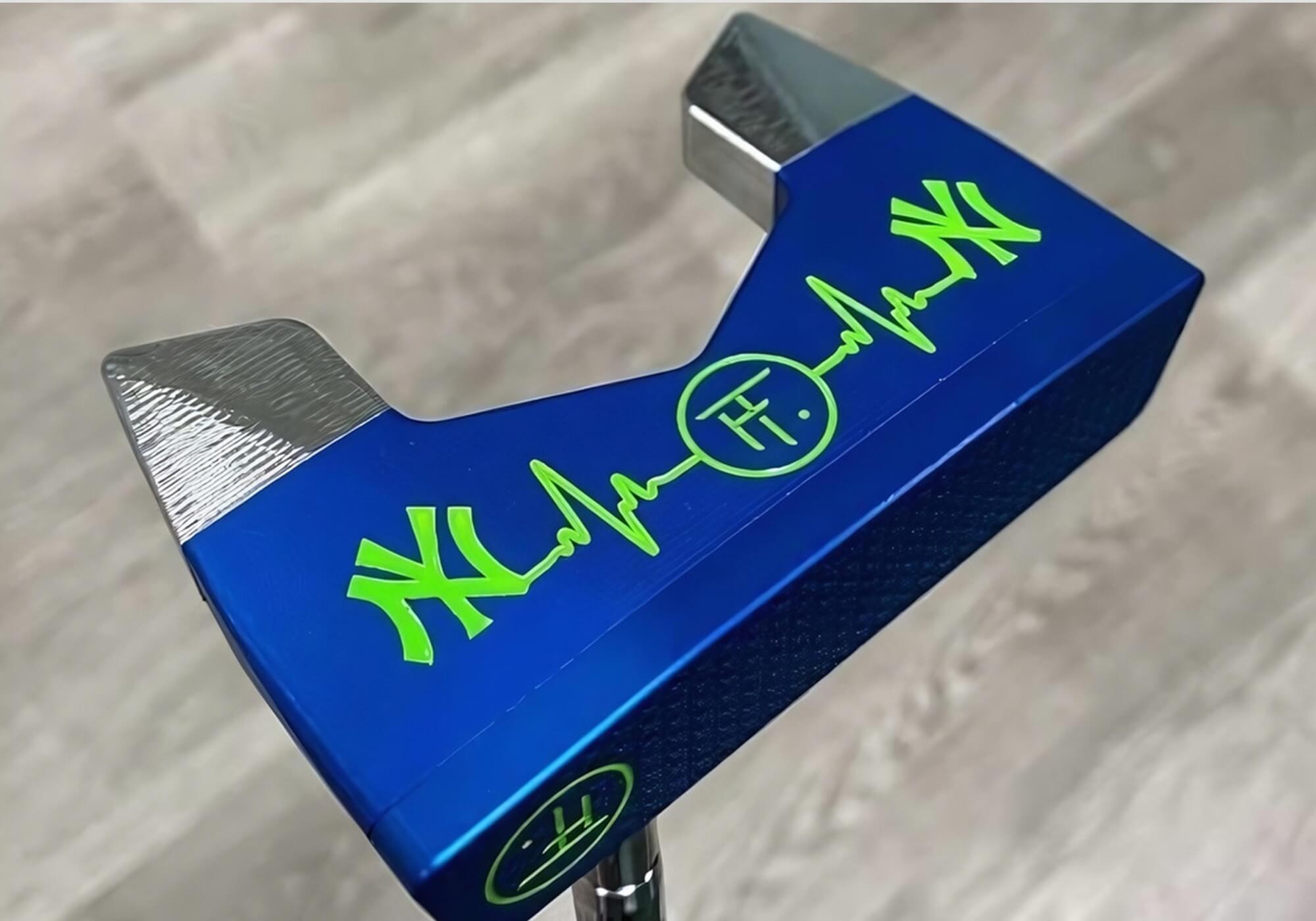
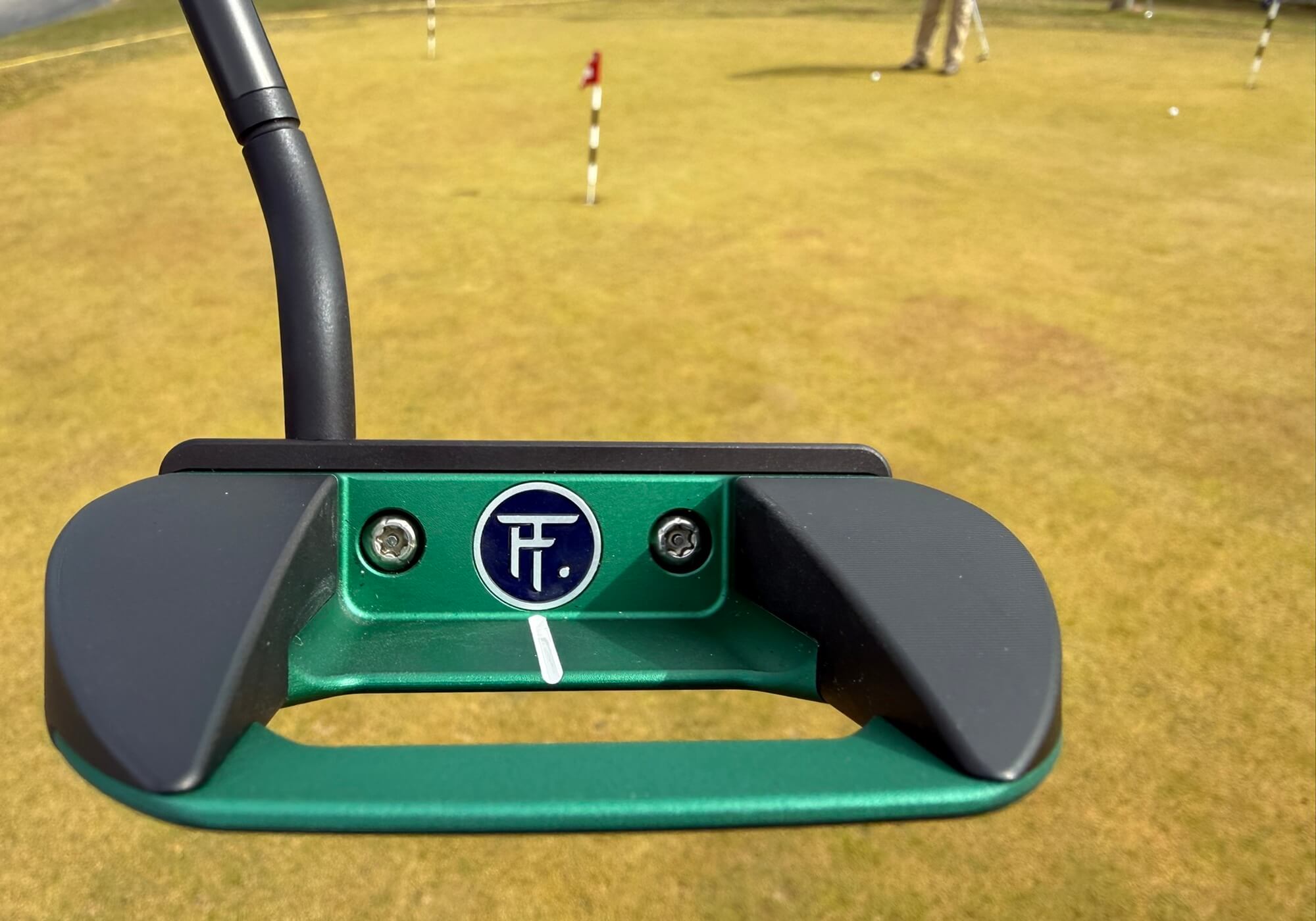
The Fine Tuned system treats putter fitting like a fitting for any other club. It tests the mechanics of your stroke and how your brain interprets what your eyes see. It also tests items such as offset, shaft axis placement, CG location, loft, shaft length and other variables.
“I had seen hints of it from certain manufacturers,” he says, “but it always led to, ‘OK, we’ll just bend it.’ As soon as you do that, you compromise one aspect of the putter you just said was perfect.”
Ranford then started down a six-year path of tinkering with existing products and examining fitting data collected by his Quintic Ball Roll launch monitor. He started seeing patterns and, using spreadsheets, narrowed it all down to three variables: posture angle, length, and lie.
“From there, I created an algorithm based on height, wrist-to-ground and current putter length. By giving someone a different length putter, I can manipulate them into the right positions that can correct some of their dynamics.”
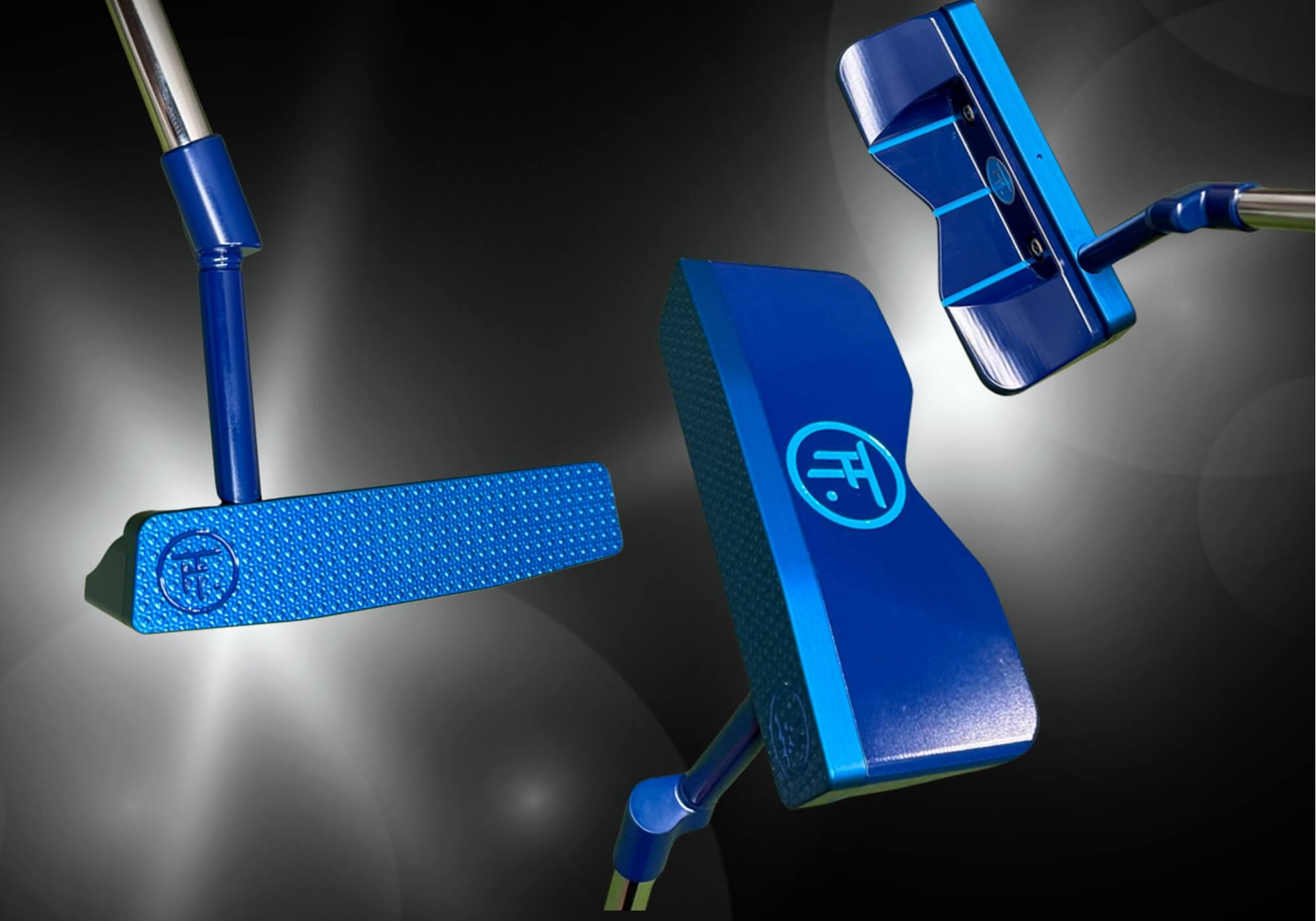
Alignment and positioning
Ranford also found correlative data that proper positioning can affect alignment, rate of rotation, path direction and, interestingly, path direction in relation to where the golfer perceives the midpoint on what essentially is a straight putt.
That was illustrated to me graphically at the PGA Show. Ranford had me line up a straight putt and then place a ball at what I thought was the midpoint. After learning I was severely left-eye dominant, he showed me that the ball was actually a couple of inches right of the proper line. As you can guess, I miss putts to the right.
Often.
“You have that right-aim tendency and a bit of a higher rotation profile,” says Ranford. “Naturally, putters that feel like they have a higher toe flow will pair up better with you because you aim right.”
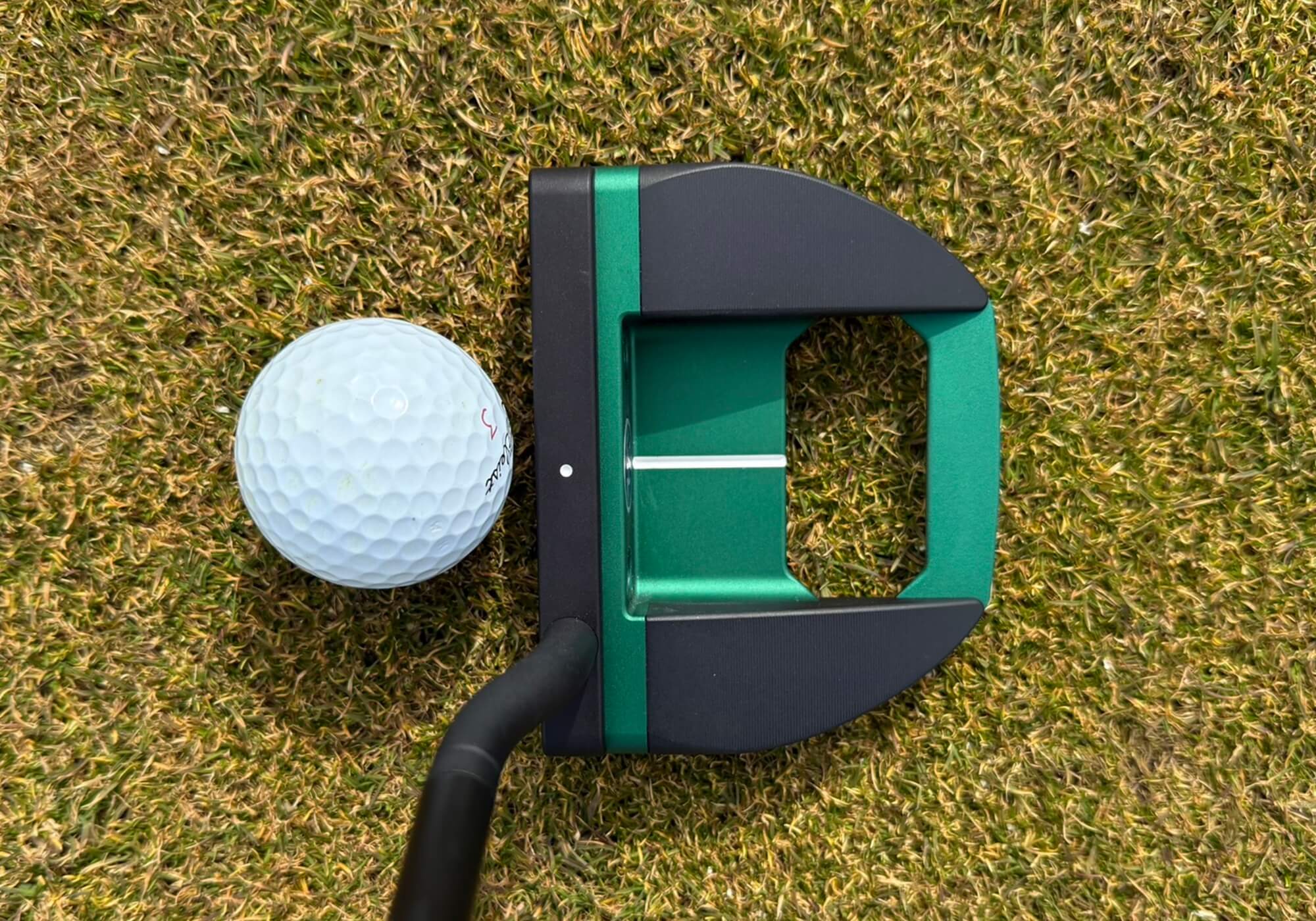
The fitting goal was to help me correct that aim.
“That way, you won’t have to rotate as much so you won’t need as much toe flow in your putter. It’s about getting those understandings of what happens at address. Your height, your static measurements, how you address the golf ball, how you perceive the line and where you put the putter down – how do those match up to what reality is? Those all create dynamics.
“If we can get someone in a better starting position, that gives them a better opportunity to produce a consistent putting stroke.”
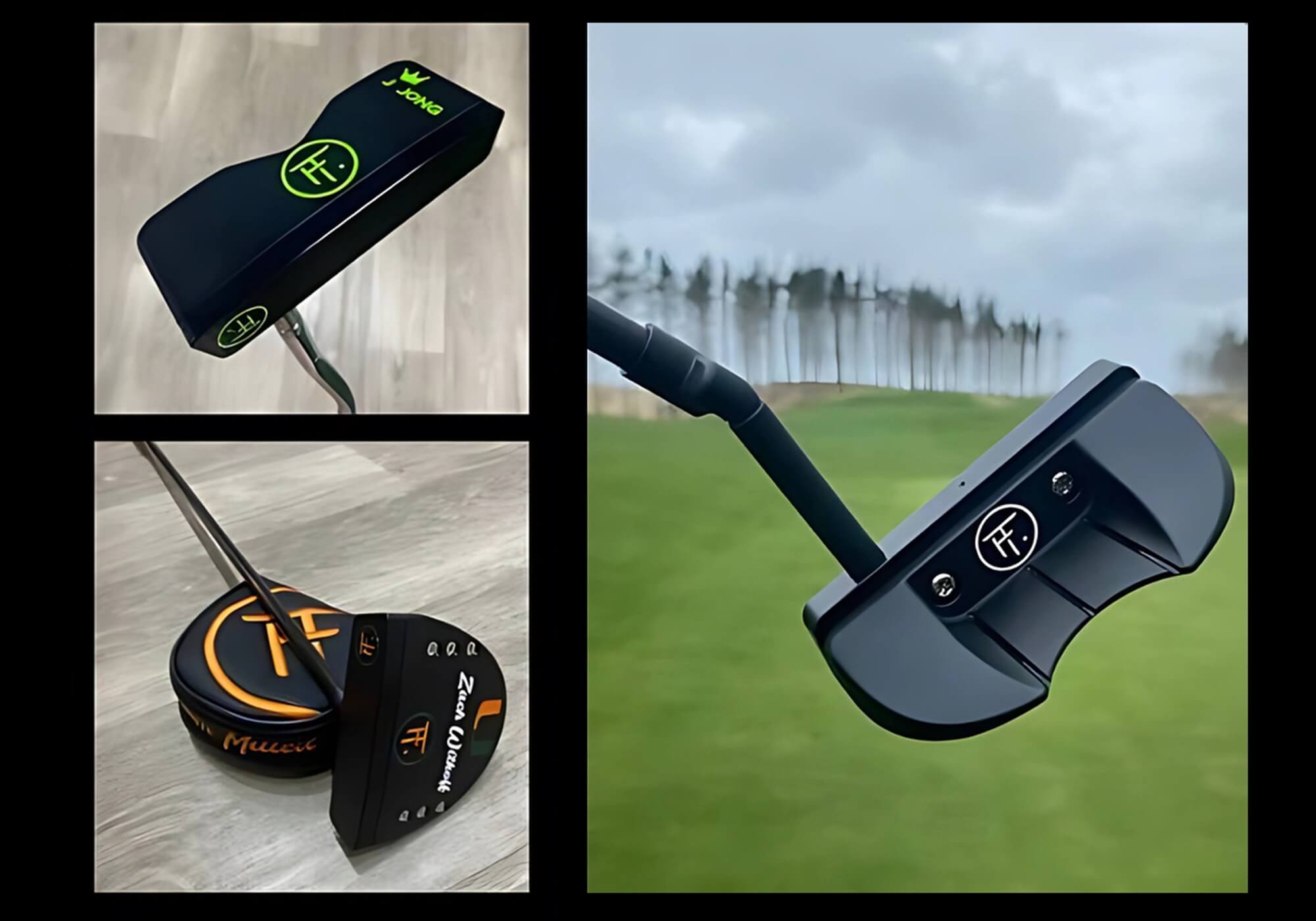
In simple terms, rather than you, the golfer, manipulating your putter, the putter is effectively pre-manipulated specifically for your tendencies.
That’s way more scientific than I gotta like the looks and feel, don’t you think?
The Fine Tuned fitting steps
If this concept sounds a little bit similar to what David Edel was talking about over a decade ago, that’s no accident.
“David was one of the guys I went to see early on,” says Ranford.
The Fine Tuned system uses a proprietary fitting app built on Ranford’s algorithm. It starts with static measurements and adds eye dominance and how you perceive the line. Then, by uploading pictures, it measures your putting posture angle, hand position relative to shoulder and forearm position, ball position front to back and toe to ball. It also includes shaft lean, lie angle, path direction, rate of rotation, alignment and miss tendencies and the start direction.
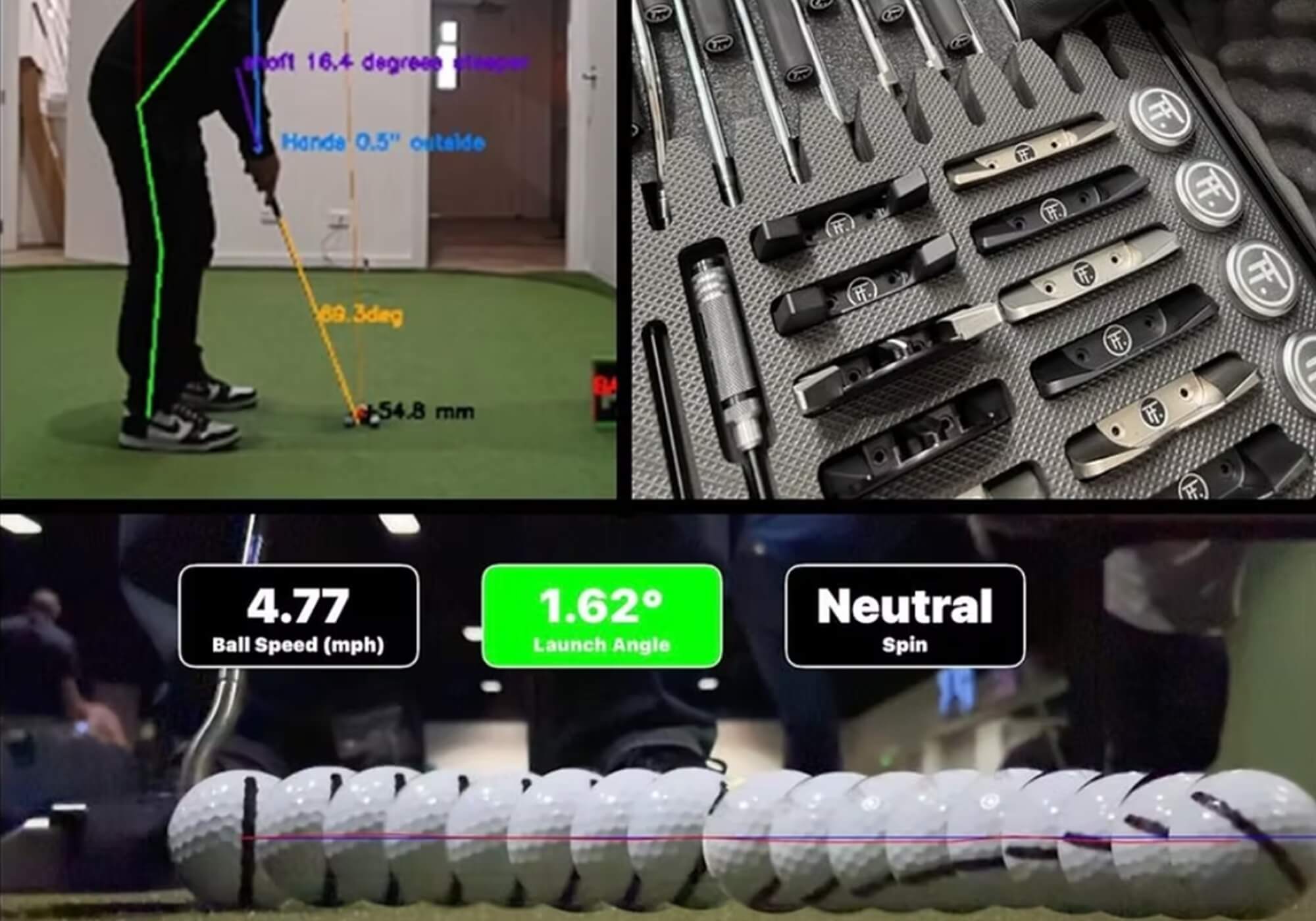
The final piece is launch conditions measured by Quintic.
“That’s a very important piece because we’re the only product that individually mills the loft specifically for you,” Ranford says. “If you need zero degrees of loft, we’ll mill it to zero. If you need five, we’ll mill it to five.
“We also access your tempo and stroke length and relate that to head weight and mill pattern. That way, we can help get your speed control dialed in.”
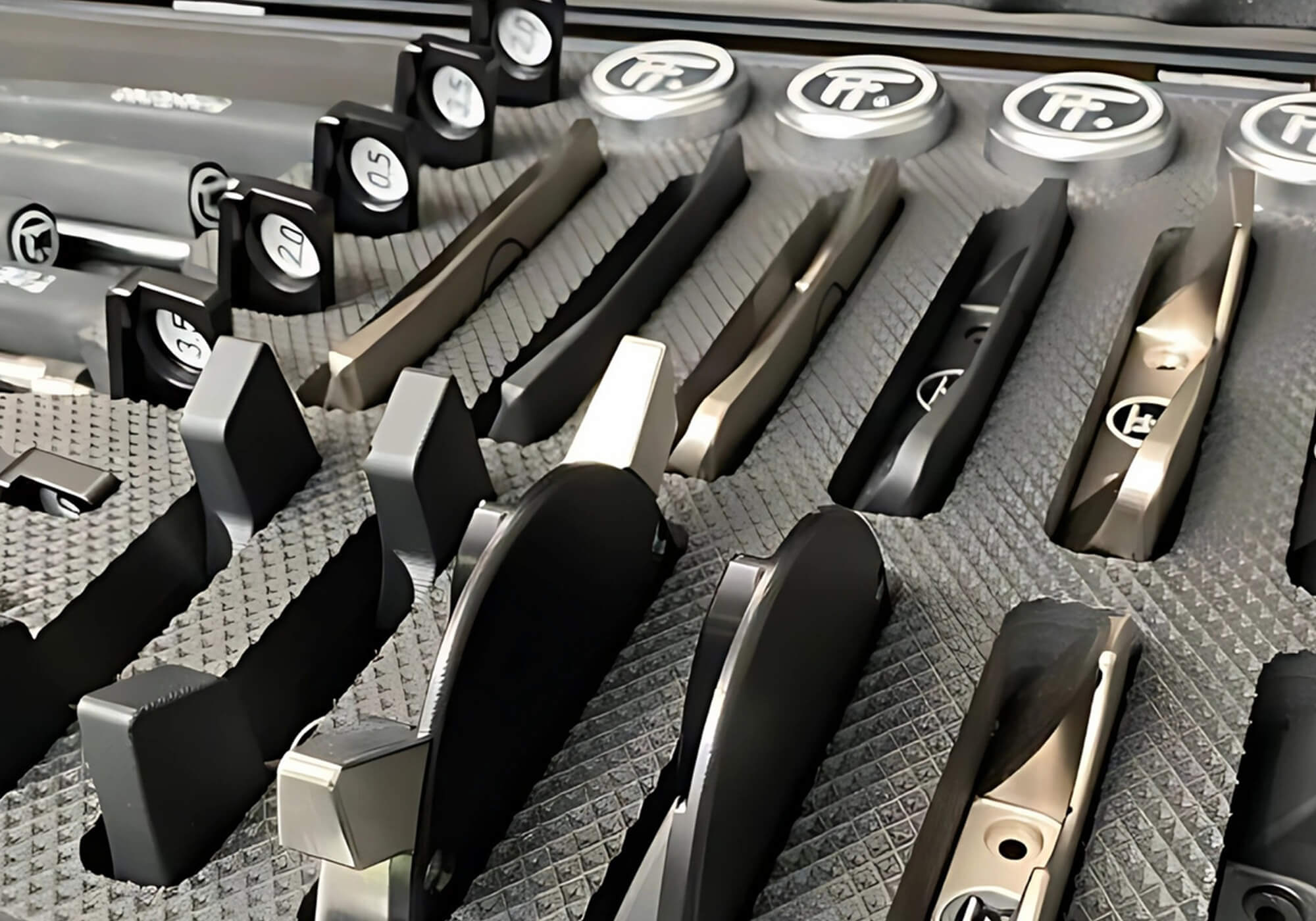
Again, all of this is done by a fitter using the Fine Tuned fitting app. Ranford’s goal is that no matter where in the world you go for a Fine Tuned fitting, you’ll get consistent recommendations.
“We’re trying to remove the subjectivity and the emotion of the fitter. The app will tell us whether zero-torque or face-balanced is best for you. If what you currently have is best for you, it’ll tell us that, too.”
Yeah, but I’m not going to New Zealand any time soon …
Fine Tuned does have a growing network of fitters in North America. The problem is, of course, is that North America is pretty big. Fitters and company reps are listed on the Fine Tuned website and while there’s no substitute for an in-person fitting, Ranford is providing sound alternatives.
“The app does open up a virtual fitting process. A golfer can submit a video and measurements on our website. I can put it all through the algorithm and create two or three putter samples I can send out. You get to test them on your golf course and decide which one you like best.
“Then you resubmit videos with that putter and we can make adjustments before we make your final putter.”
The virtual fitting tool is quite in-depth and asks you to upload videos and pictures of your putting stance and stroke. From there, the Fine Tuned team starts the work of creating the right putter for you.
“This can eventually be automated,so there might be a kiosk at a PGA TOUR Superstore or something. We have technology that will know which putter you’re trying. You can hit five putts with it and the kiosk will tell you to try a different one.”
Do you really need a putter fitting?
There are and always will be golfers who dismiss putter fitting as a scam. It’s either “a good putter can putt with anything” or “just get the one you like the looks and feel of.”
(Ironically, those are the putters you’ll most often find in the used putter section at your local retailer.)
“We want as little manipulation in your stroke as possible,” says Ranford. “We also want to match the right amount of launch angle and forward spin with the right impact ratio to match your tempo. Every single aspect of the putter can be adjusted. We change the head shape, the loft, the CG bias, even the shaft.”
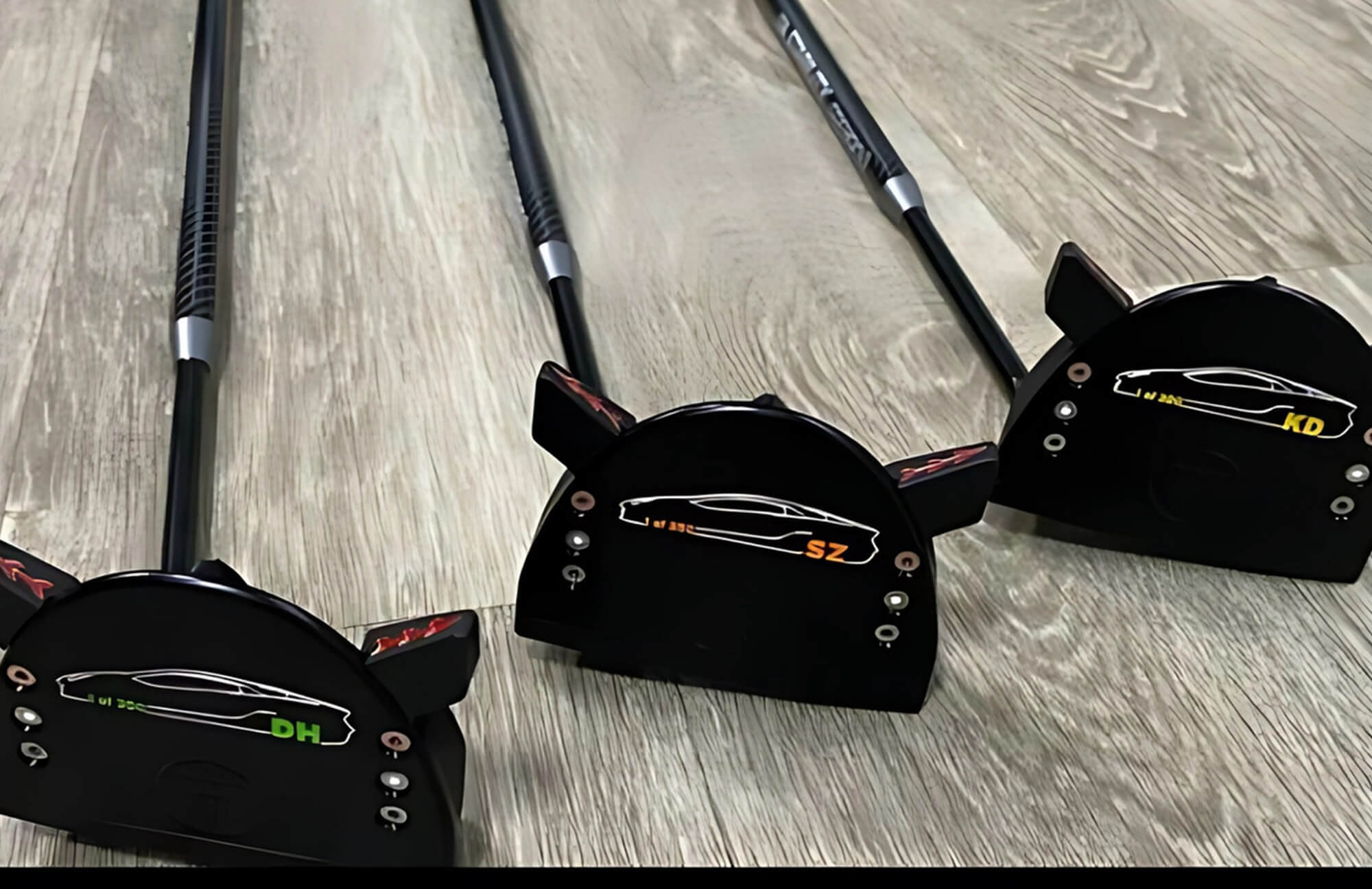
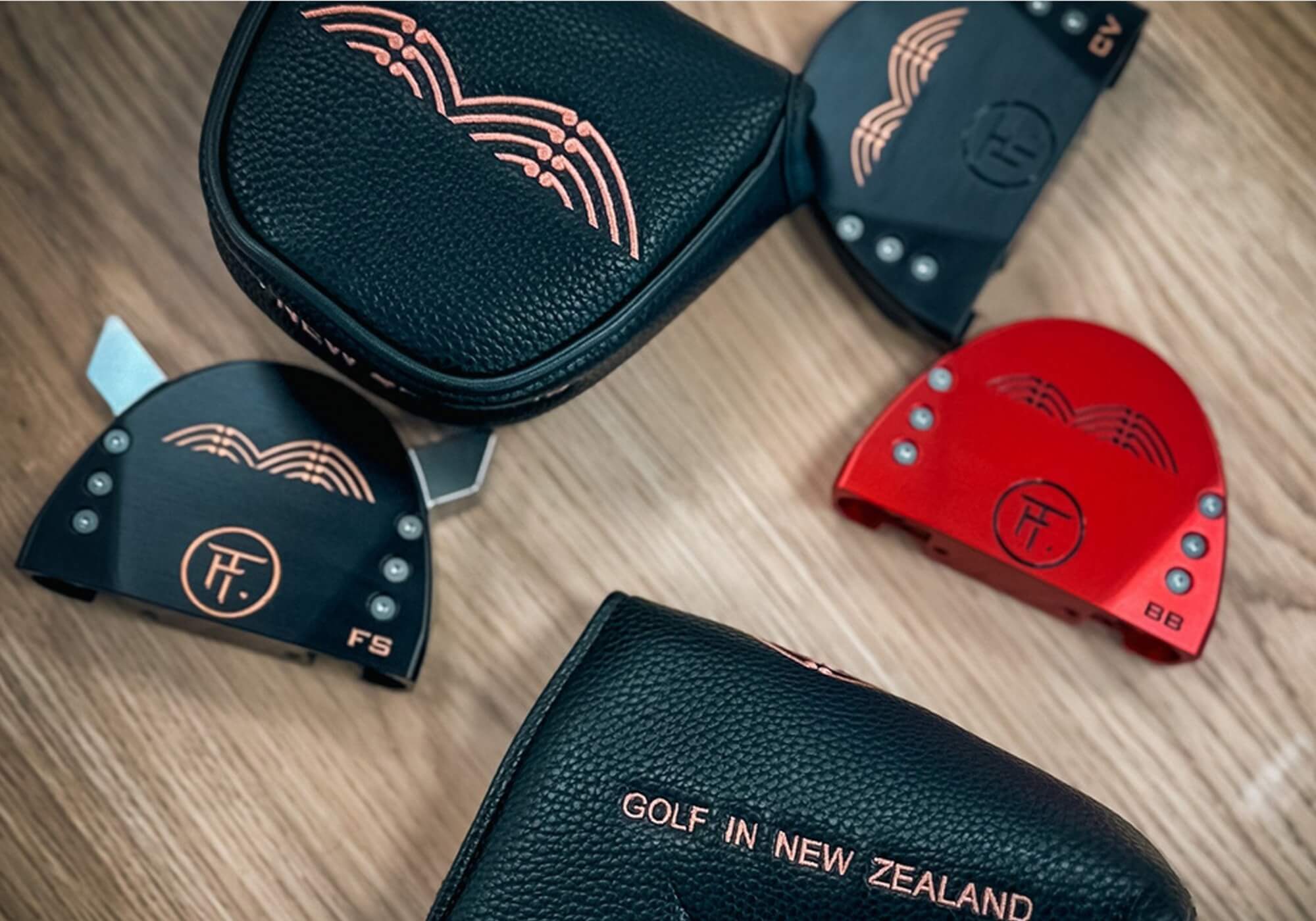
The base price range for a Fine Tuned putter isn’t cheap, in the US $650 to $800 range. If you use a Fine Tuned fitter, the fitting is included in that price. Affiliated fitters will set their own pricing but will usually include the fitting in the price.
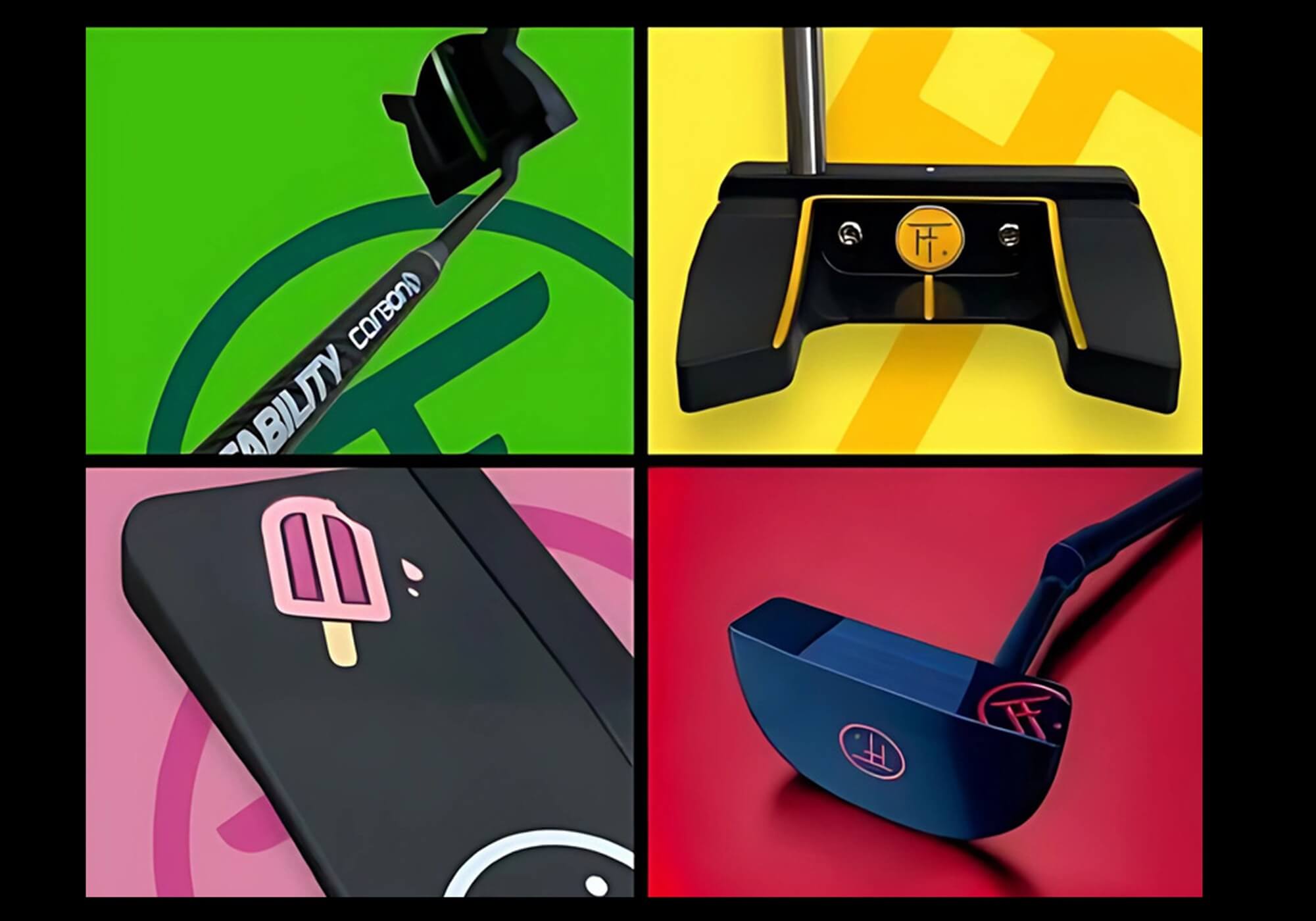
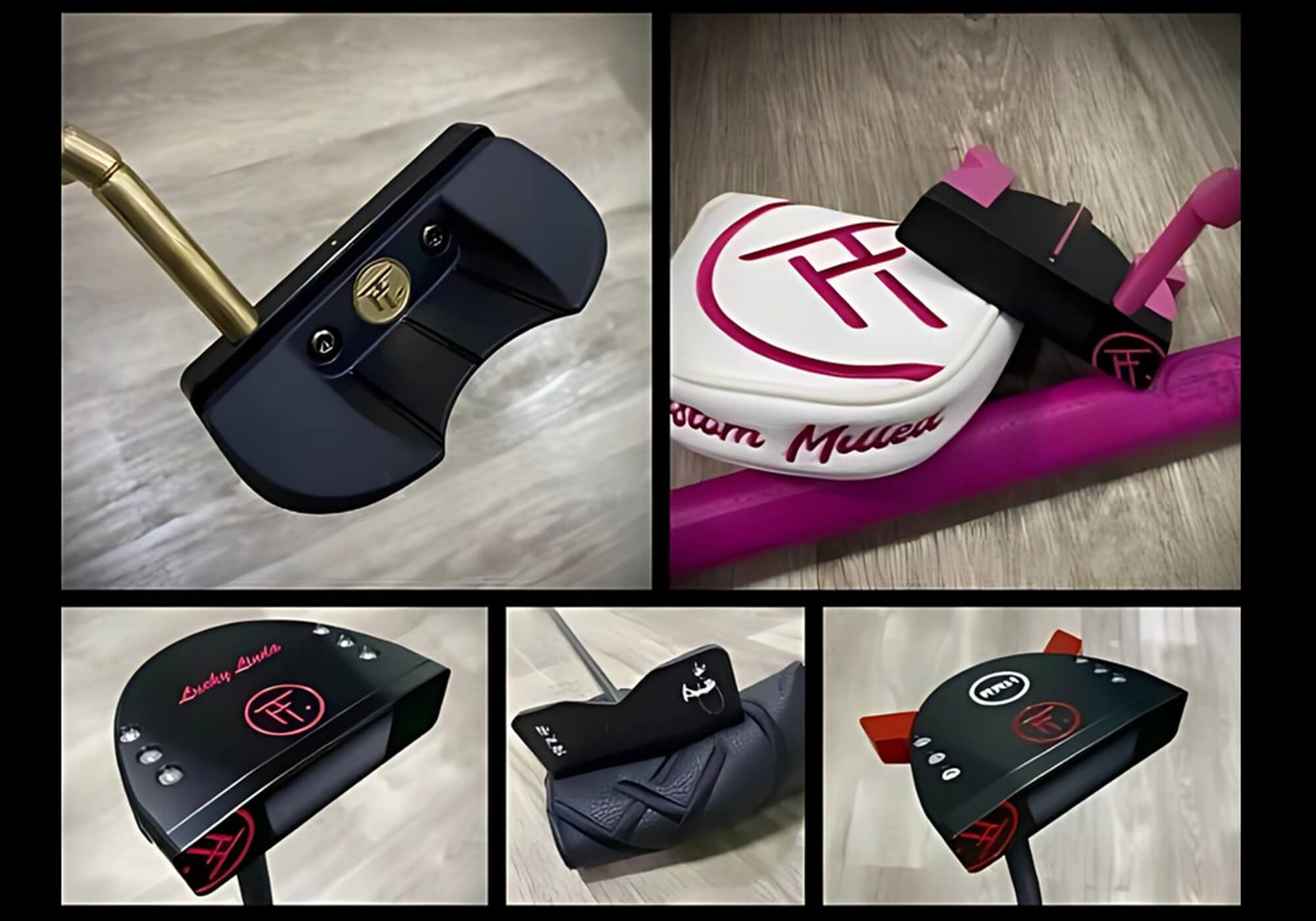
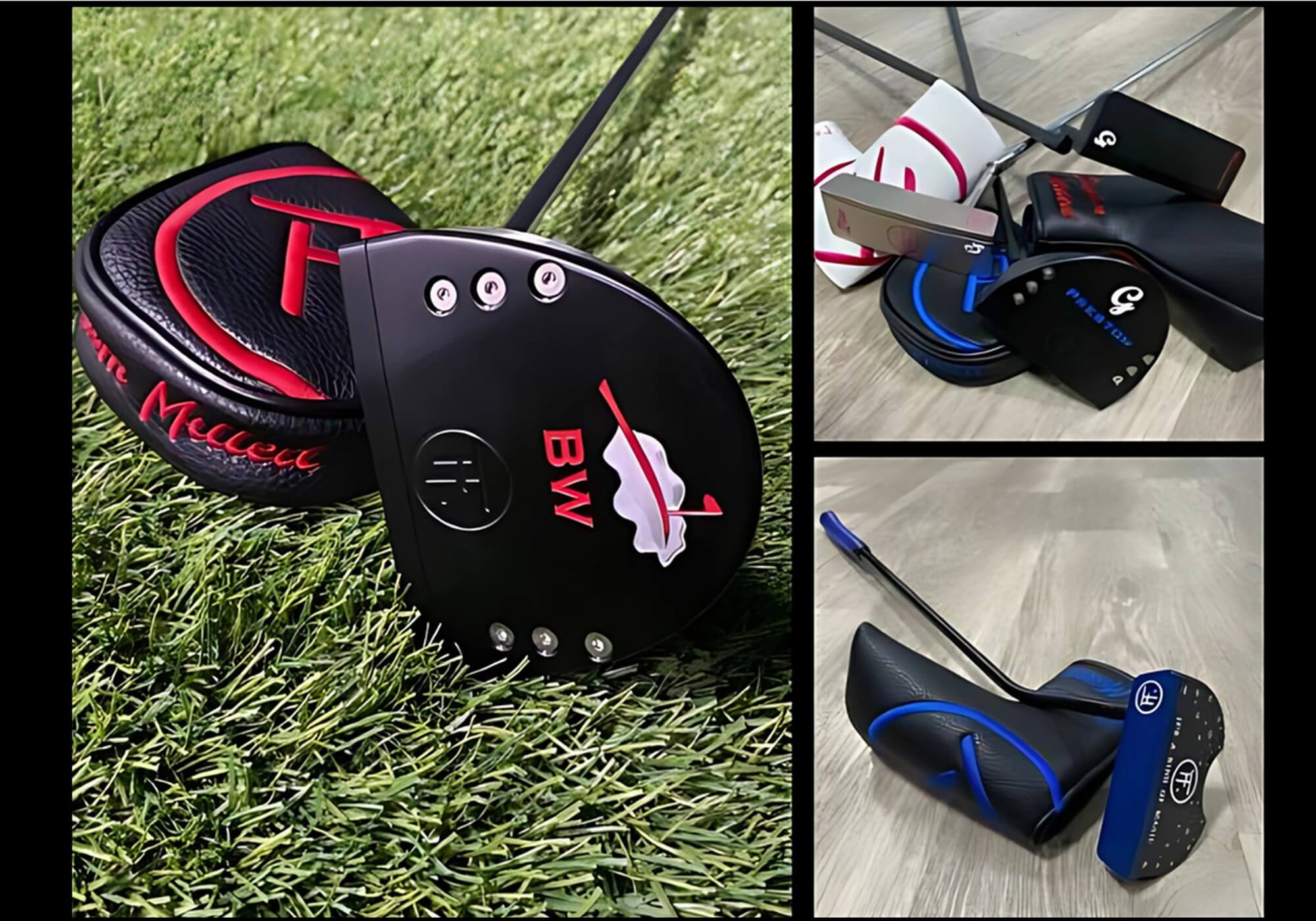
Additionally, Fine Tuned offers extensive (and impressive) personalization options. “If you want candy apple red with the Ferrari logo, you’re going to pay extra for that,” says Ranford.
Fine Tuning our final thoughts
Putter fitting is an endlessly fascinating topic and in talking with Ranford, one can’t help but appreciate the Kiwi-inspired passion he feels for it.
“We can improve anybody’s putting and I say that quite confidently. I had a pro in here yesterday looking for a half a degree of improvement. If you’re a full degree off, you’re on the edge of the cup on a 10-foot putt and that thing’s going to miss unless the speed is perfect. That half a degree is worth a lot of money to those guys.”
For us, “the average golfer,” the best way to lower our scores (if that is, in fact, your goal) is to improve around and on the green. And the truth is that much of what we put down to looks and feel is really more science than gut feeling.
“People who go through the fitting experience come out with a better idea of their tendencies,” Ranford explains. “If you want to build consistency, you have to understand those tendencies.”
The thing is that those tendencies are hard to self-diagnose. As humans, we don’t really excel at taking an honest look in the mirror. We want the magic bullet and are suckers for the easy answer. Then we’ll find a million reasons to justify it. There is, however, one undeniable truth.
“You can make putts and you can miss putts with anything,” says Ranford. “You can hit good putts and bad putts with anything. But you can’t putt consistently well with a bad or ill-fitting putter.”

You can find more information on Fine Tuned putters and its growing line of wedges as well as a global listing of Fine Tuned fitters, at www.finetuned.co.
The post Is The Answer To Putter Fitting Being Fine-Tuned In New Zealand? appeared first on MyGolfSpy.