

Mini drivers have crossed from category curiosity to category staple. Tour Edge wants in.
You don’t need to dig for proof that mini drivers have arrived. The list of established brands without one is shorter than the list with. They’re still not in most bags but as more golfers come around to the benefits of a mini on a tight tee shot (and figure out how much trouble a strong-lofted fairway wood can cause them), the case for swapping the 3-wood for something you can ride around the course on the days when your driver is acting worse than a sleep-deprived toddler keeps getting easier to make.
Tour Edge is the latest brand to hand you one. As part of the ongoing brand refresh (new TE logo, leaner Exotics lineup, performance-first marketing), the new Exotics Mini Driver lands at 280cc, on the smaller end of the mini driver size scale.
The build
If you’ve been around the Exotics line, the build sheet won’t surprise you. Tour Edge has rolled most of its established metalwood tech into a smaller envelope.
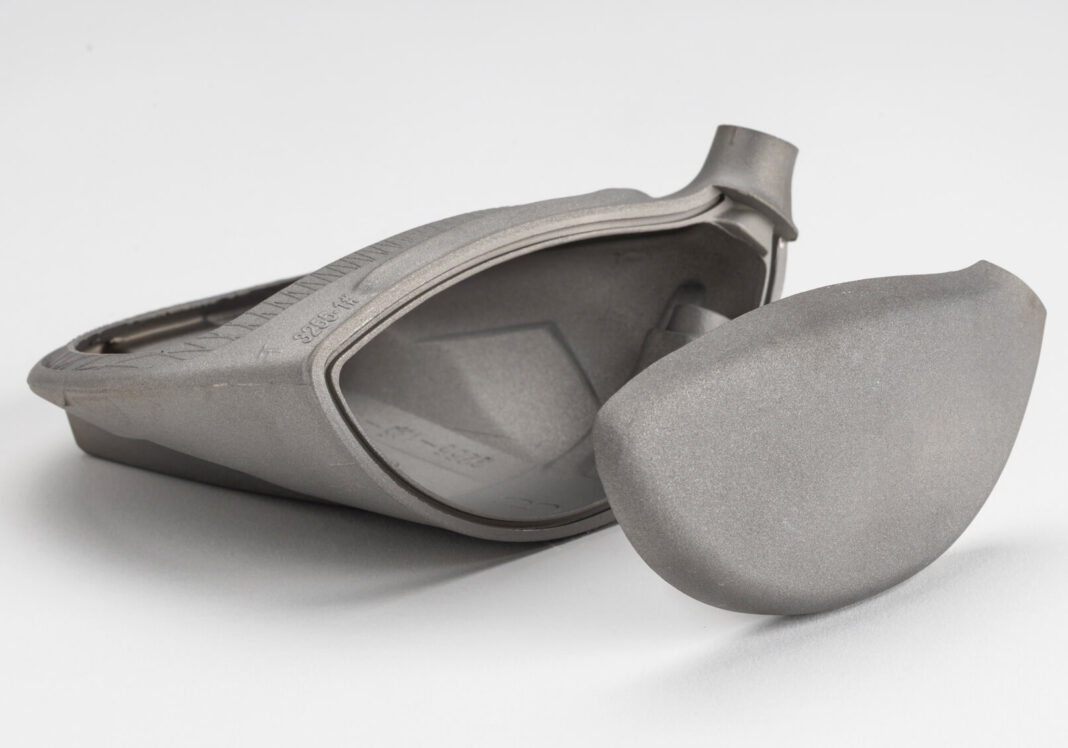
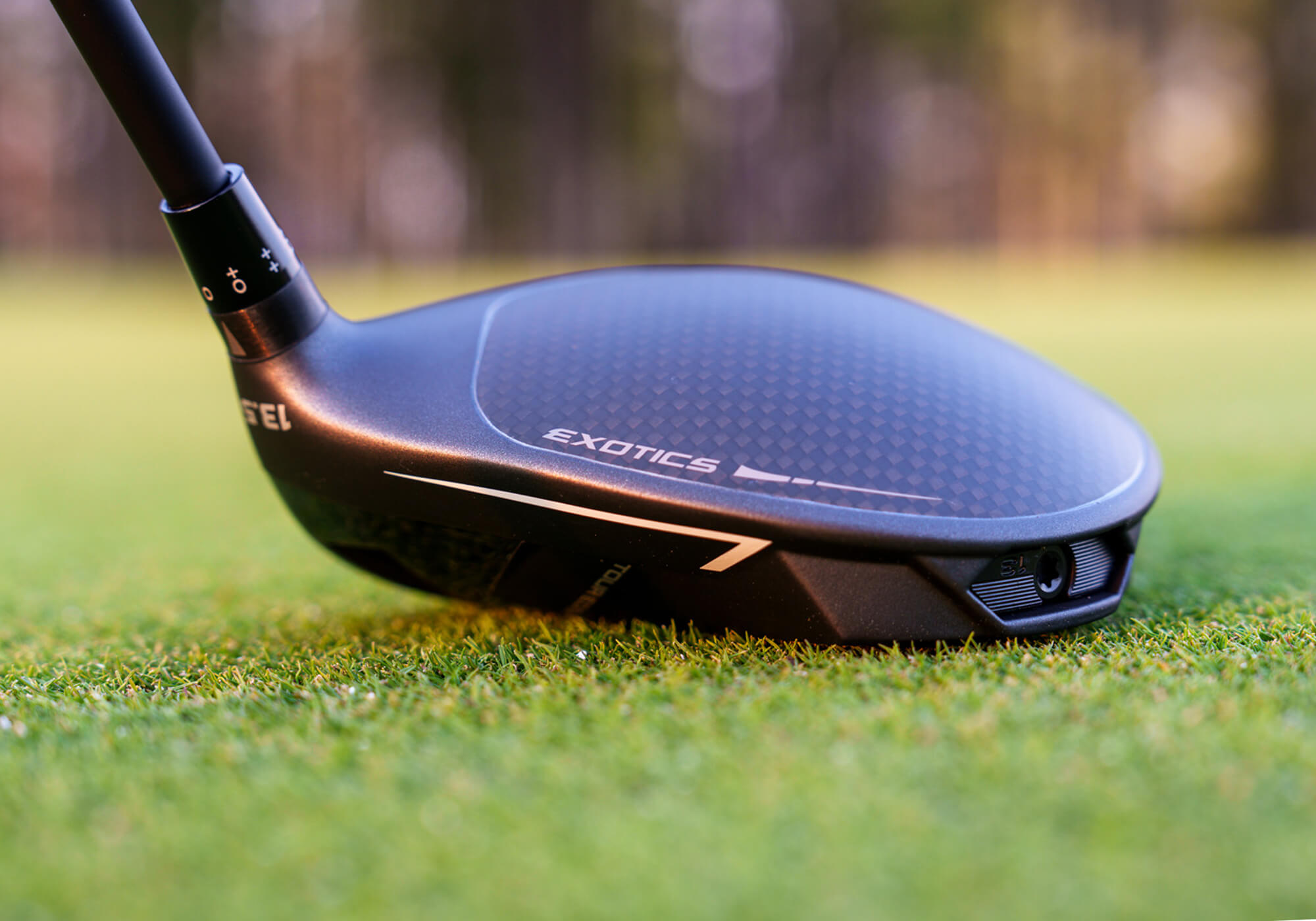
The marquee piece is Combo Brazing, Tour Edge’s thermal bonding process that fuses a titanium cup face to a stainless steel body. The pitch is that traditional multi-material builds lose energy at the seams between dissimilar metals and brazing closes that gap. Whether that gap is meaningful in real-world performance is a test question for another day but Combo Brazing has been a real Tour Edge differentiator across the Exotics line for years.
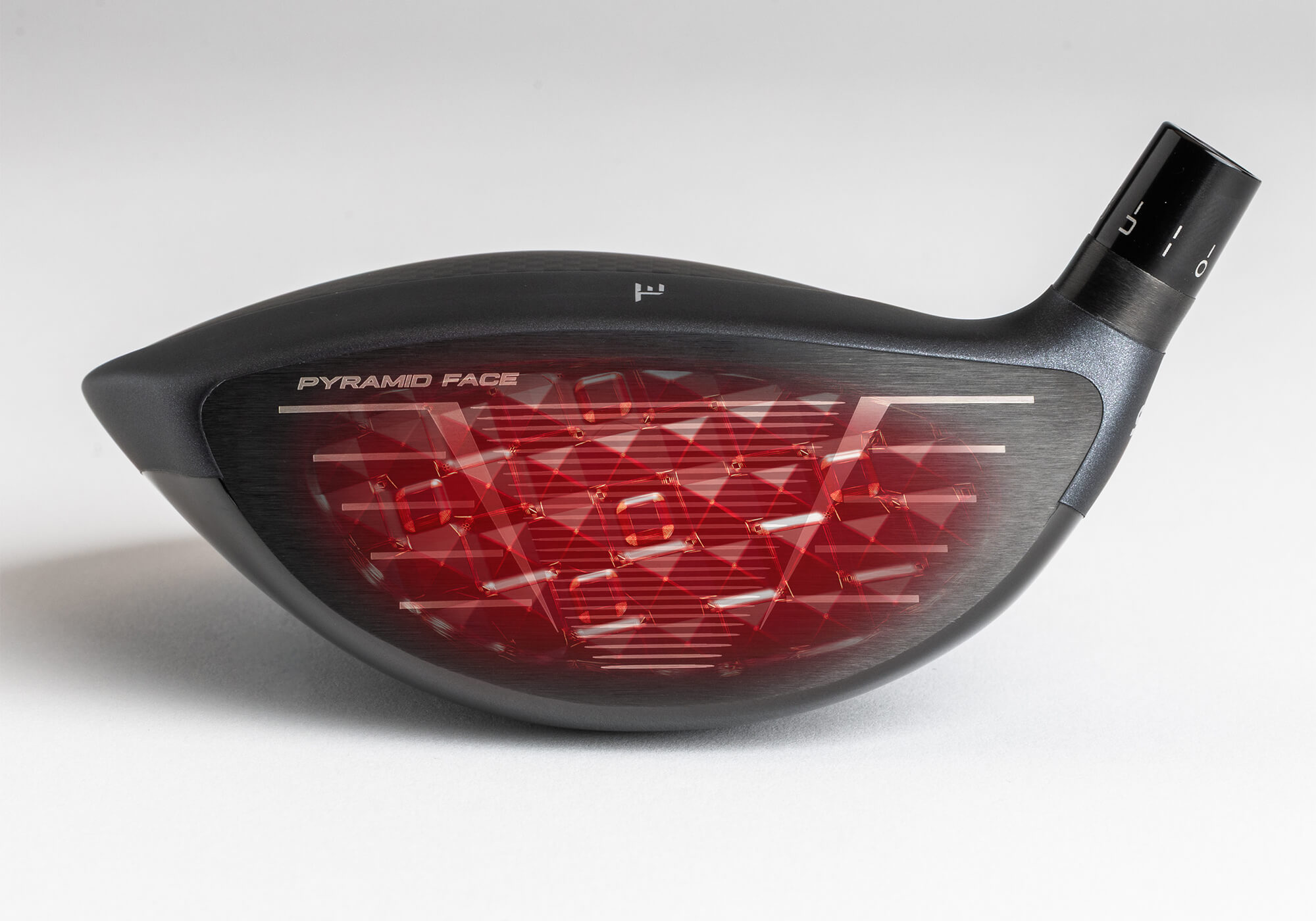
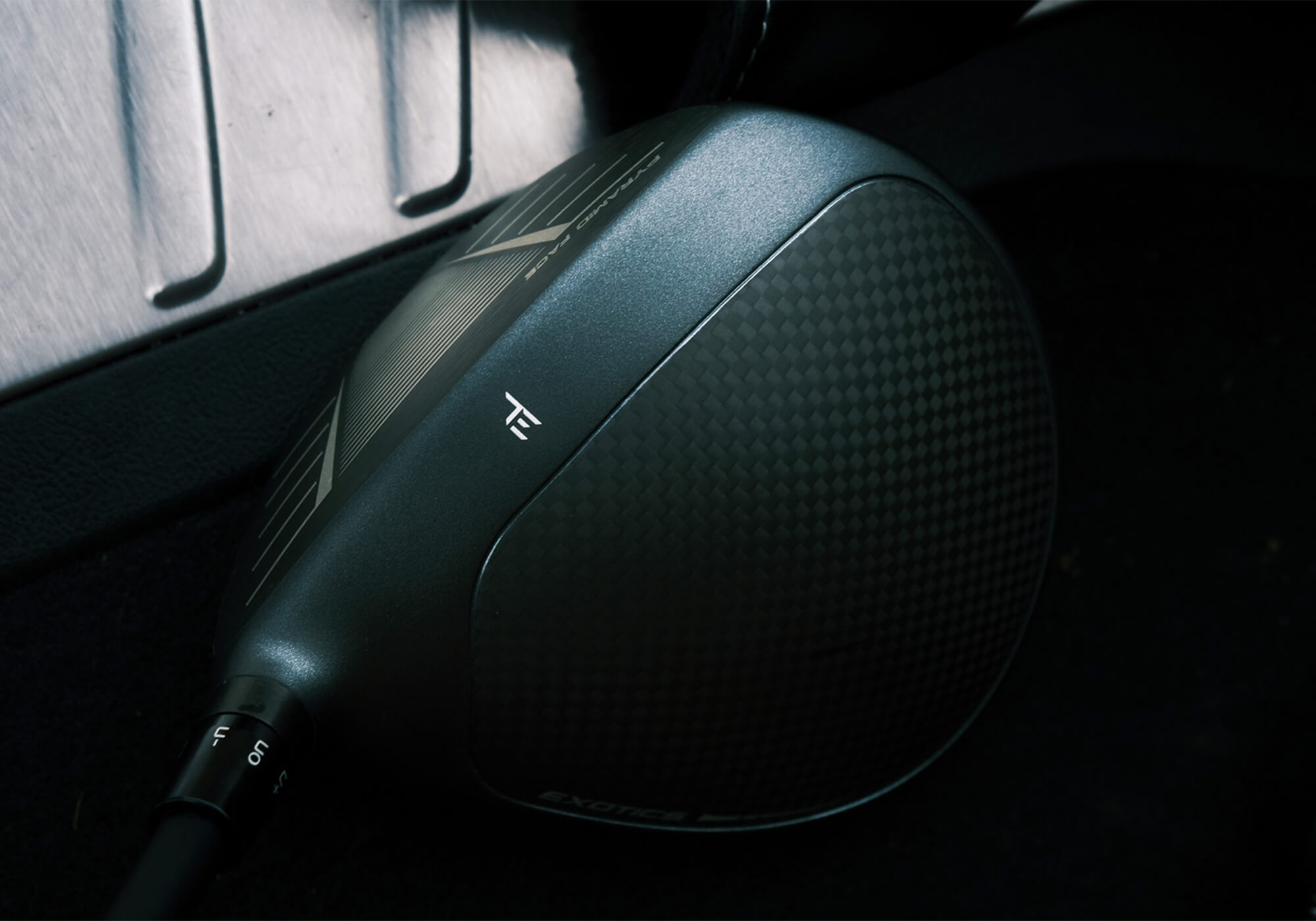
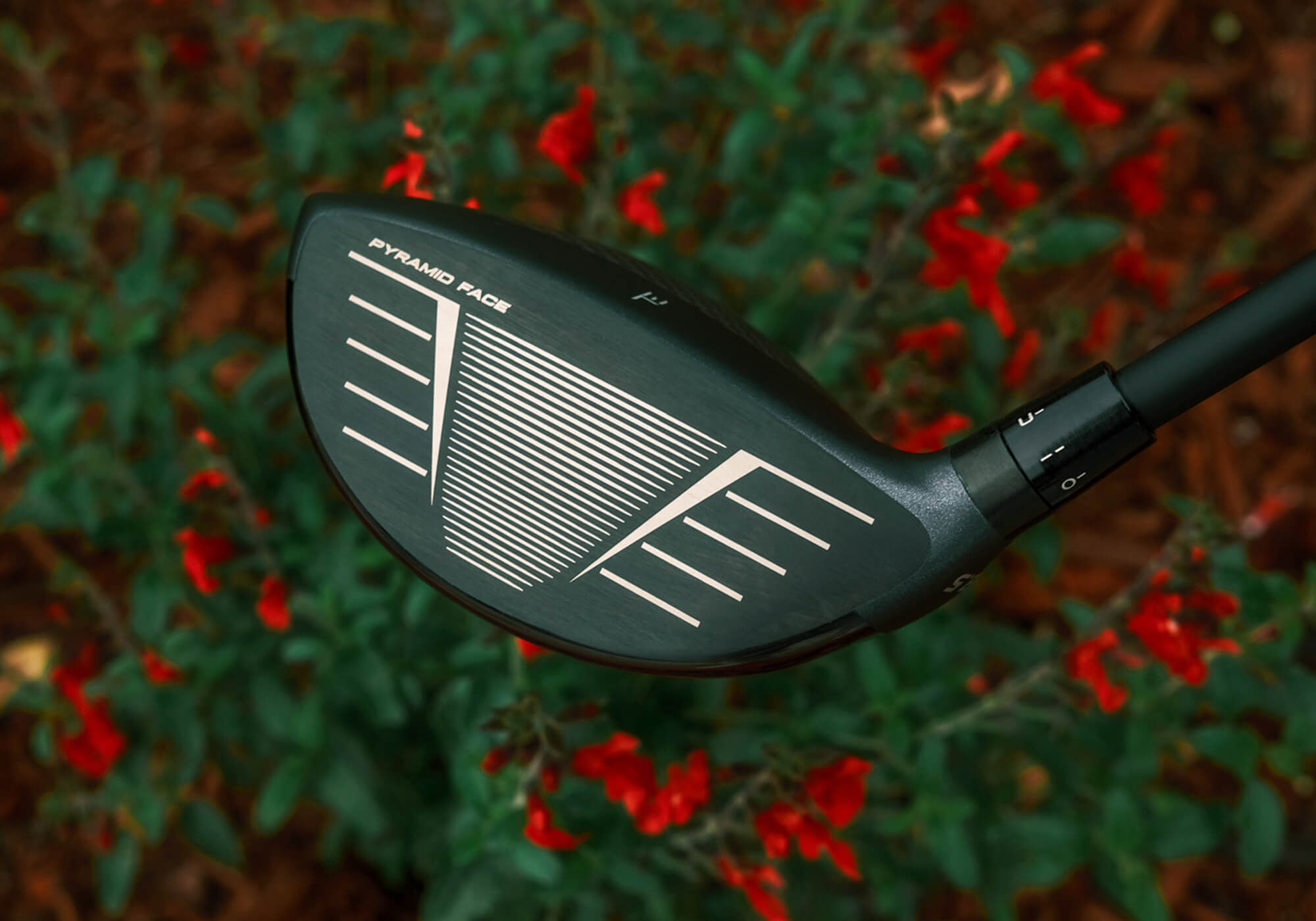
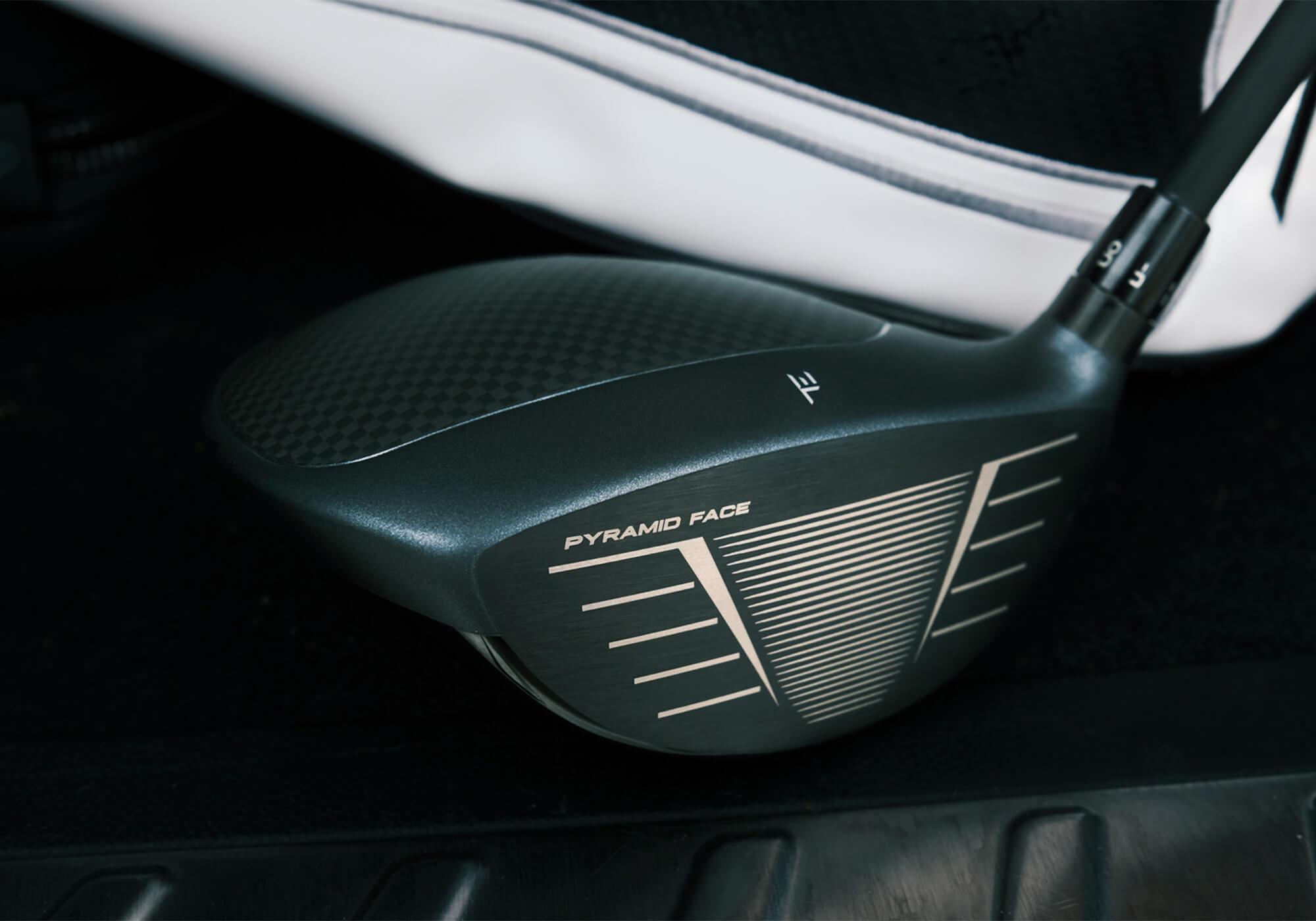
From there, a carbon fiber crown frees mass for repositioning low and deep. Pyramid Face Technology, the same variable-thickness face design Tour Edge uses across its metalwoods, is meant to preserve ball speed on strikes that miss the center. The stainless steel body is heavier than a full-titanium build which Tour Edge says shifts more mass toward the perimeter and pushes MOI higher than a traditional all-titanium mini would deliver. A fixed 13-gram rear weight pulls CG low and back and an adjustable hosel handles loft and lie tuning.
Compelling but also reasonably boilerplate.
280cc makes a statement
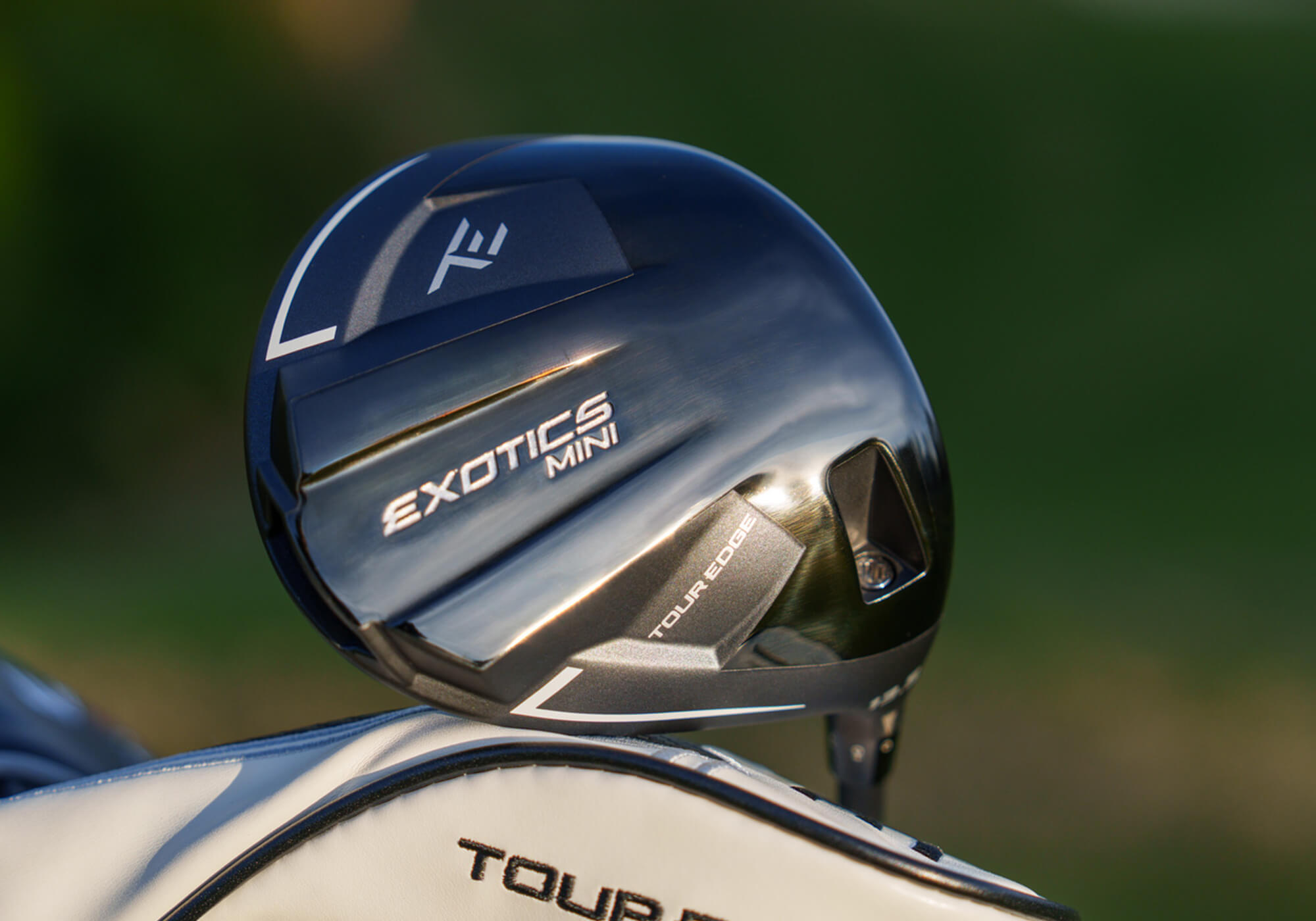
The 280cc number is worth pausing on. It puts the Exotics Mini at the smaller end of the class alongside the Titleist GT280. A good bit of the category lands at 305cc; Callaway pushes larger still at 350cc. A smaller head says two things: the brand believes you’ll hit it off the tee and the deck and the brand wants the address profile to look meaningfully different from a driver.
Tour Edge slots its mini between its LS fairway (165cc, 32mm face height) and its LS driver (440cc, 59mm face height). Their mini comes in at 42mm of face height which Tour Edge says is roughly five millimeters shallower than a typical mini. If nothing else, it helps argue the case for playability off the deck. A taller-faced mini can look like a chore from a tight lie. A shallower one looks no worse than manageable.
The claims
Tour Edge says the Exotics mini produces more ball speed, higher launch, less spin and more distance than “Everyone Else.” That phrase is doing a lot of work. “Everyone Else” is broad enough to mean anything and vague enough to let the brand walk it back if pressed.
Tour Edge does direct some claims towards a specific competitor. The closest read is the TaylorMade R7 Quad mini and, notably, the test compares the Exotics to the R7 Quad with the movable back weight in the rearmost setting. That’s the R7 Quad’s highest-spinning, lowest-speed configuration. Given that the Tour Edge design leverages a fixed-back-weight, it’s not entirely unfair that the comp is to a competitor configured in its slowest setup but it also doesn’t paint a full picture.
I suppose that’s true of most golf club marketing.
That doesn’t mean the Exotics mini won’t perform. Tour Edge has been building fast metalwoods for a long time and has, on more than one occasion, outperformed its brand footprint. The reality is that slides never say nearly as much as any given brand suggests. In-hand testing and on course performance tell the story.
Lofts, shafts and the Ventus thing
The Exotics Mini comes in 11.5 and 13.5 degrees, right-handed only.
For the sake of xenophobic consistency: Suck it, Canada.
Stock shafts are listed as Fujikura Ventus White/Black (4L, 4A), Ventus Red/Black (5R, 6R, 6S) and Ventus Blue/Black (6R, 6S, 6X, 7S, 7X). One hopefully obvious clarification because Ventus is one of the most marketed shaft families in the game: these are not the aftermarket VeloCore/VeloCore+ versions. The OEM-spec Ventus lineup uses similar branding with different materials and constructions. Same family name but most definitely not the same shaft.
The stock grip is the Golf Pride Tour Velvet 360 Black.
The bottom line
Mini drivers aren’t slowing down and, at 280cc, Tour Edge is making a clear statement about how this one is meant to be used: off the tee on tight holes, off the deck on clean lies and as a driver substitute on the days when your driver isn’t playing nice. The build is classic Tour Edge. The marketing chart is what marketing charts are. The price puts it at the lower end of the mini market.
The Tour Edge Exotics Mini is worth a look, especially if your 3-wood has been keeping you up at night.
Pricing and availability
The Exotics mini driver is available for pre-order starting today with full retail availability on May 22. Retail price is $399.99.
The post Tour Edge Exotics Mini Driver: First Look appeared first on MyGolfSpy.