

I’ve heard this misconception too many times now to not address it.
Slow swing speed golfers, those swinging a driver under 90 mph, get lumped in with high handicappers, beginners and slicers as if those are interchangeable categories. They are not.
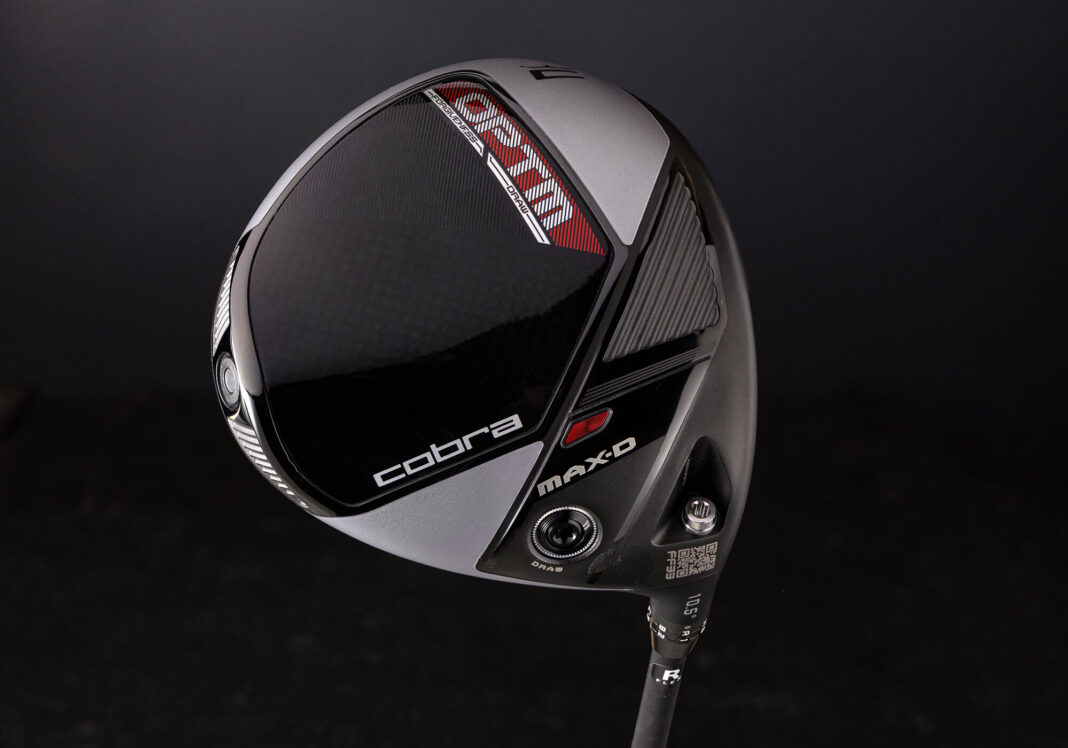
Swing speed is one variable. Handicap is another. Ball flight is a third. None of them are automatically connected. The assumption that “slow” and “draw-biased” go together shows up in nearly every driver recommendation and roundup you’ll find. Our 2026 Most Wanted driver testing gave us a chance to check that assumption against real data. With 42 drivers tested by golfers swinging under 90 mph, I put three of the draw-biased designs to the test. Here’s how the PING G440 SFT, the Callaway Quantum Max D and the COBRA OPTM Max-D perform for slow swing speeds.
Draw bias didn’t find more fairways
The whole premise of a draw-biased driver for slow swingers is keeping the ball in play.
The PING G440 SFT hit 75.4 percent of fairways in our testing. The Callaway Quantum Max D hit 70.5 and the COBRA OPTM Max-D hit 78.3.
The TaylorMade Qi4D, a neutral driver that ranked second overall in this test, hit 79.5 percent of fairways. The Srixon ZXi Max hit 88.5. Neither carries draw-biased technology.
If the core selling point is accuracy, this data doesn’t support the purchase.
Slow swingers can’t afford to give up distance
Distance is already a challenge when you’re swinging under 90 mph which makes it worth asking what draw-biased drivers cost you in yards.
The three draw-biased drivers averaged 193.9 total yards in our testing. The Titleist GT2, which ranked first overall, averaged 200.2 yards, a six-yard gap on average. The COBRA OPTM Max-D averaged just 191.7 total yards and ranked 41st out of 42 drivers tested, trailing the top driver by 8.4 yards.
For a golfer already working with limited speed off the tee giving up this much distance without a return in accuracy is a tough thing to pay for.
The straight shot numbers tell the same story
Fairways hit is one way to measure accuracy. Straight shot percentage, which tracks the percentage of shots landing in a tight window around the target, is another. The results were consistent.
The PING G440 SFT produced a straight shot 56.4 percent of the time. The COBRA OPTM Max-D came in at 55 percent. The Callaway Quantum Max D hit a straight shot just 44.2 percent of the time, second lowest of all 42 drivers in the test.
For context, the highest straight shot percentage in the test belonged to the LA GOLF driver at 64.8, followed by the Srixon ZXi Max at 64.75.
All three draw-biased drivers also ranked at the bottom of the field in smash factor, meaning they were converting club speed to ball speed less efficiently than the rest of the 42-driver field. The average rank across the three draw-biased drivers was 28th out of 42.
A note before you shop
None of this means draw-biased drivers have no place in the game. If you genuinely cannot square the face and your miss is consistently right (for a right-handed player), a draw-biased driver can provide real relief.
But squaring the face is a skill, one that even the slowest-swinging golfers can develop. Slow swing speed does not make you a slicer by default. The next time you see a slow swing speed roundup stacked with draw-biased options, ask whether that recommendation is built on data or on an assumption that has been repeated so many times it passes for conventional wisdom.
The post Do Slow Swing Speed Golfers Really Need A Draw-Biased Driver? appeared first on MyGolfSpy.